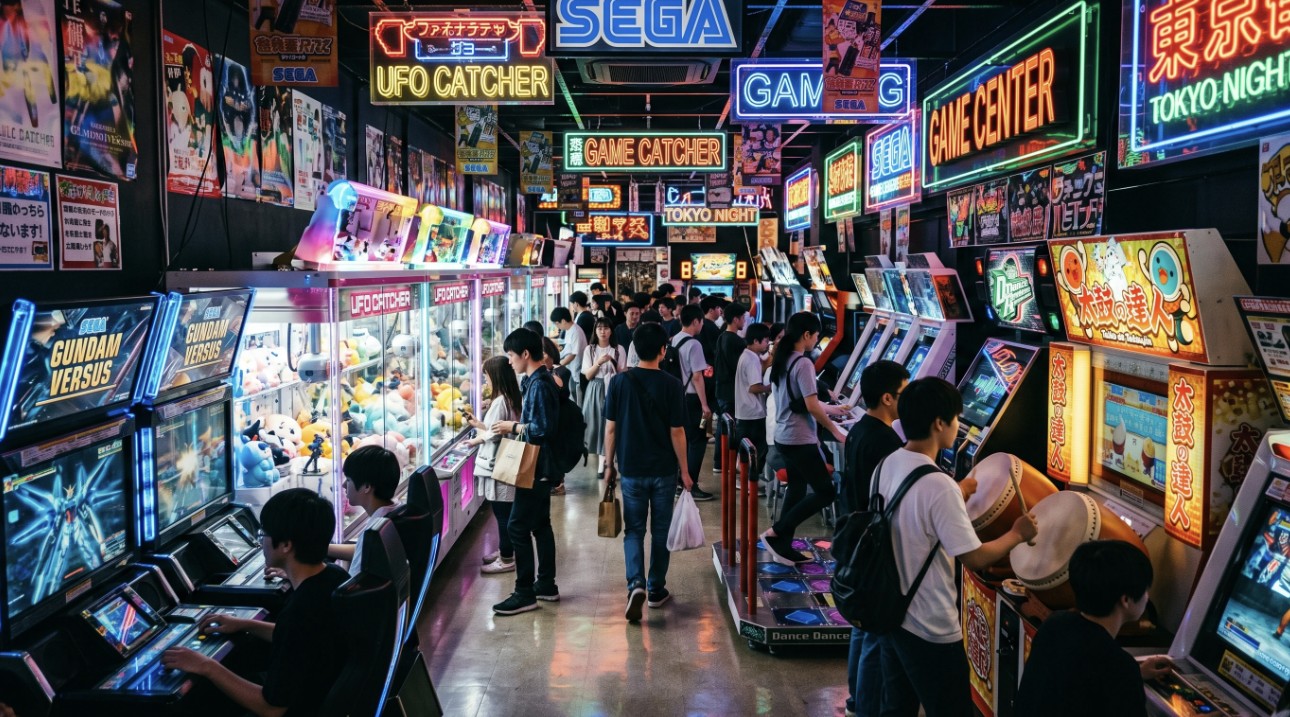
Japan’s arcades stand out worldwide for their size, variety, and unique experiences, offering visitors a chance to try games and gadgets that rarely reach the UK. For travellers planning a trip to Japan, the best game centres are clustered around major cities including Tokyo, Osaka, Kyoto, Fukuoka, and Sapporo. This guide covers standout arcades in each destination, along with costs, etiquette, and practical tips for getting the most from your visit.
Arcade Culture in Japan: What Makes It Special?
Arcades, called “ゲームセンター” (ge-mu sentaa), are a well-established part of Japanese leisure life. Unlike the more limited amusement venues in the UK, Japanese arcades range from multistorey buildings in city centre districts to small venues with rare or one-off machines. Most operate daily from morning until midnight, though hours vary by location. Major chains include GiGO (ギーゴ), Taito Station (タイトーステーション), Namco (ナムコ), and Round1 (ラウンドワン); independent arcades also remain part of the scene, particularly outside the largest cities.
Game centres host a wide variety of machines, including:
- Purikura (プリクラ): Japanese photo booths for stickers and photo edits
- UFO Catchers (UFOキャッチャー): Skill-based claw machines, typically stocked with limited-edition prizes
- Rhythm games such as Dance Dance Revolution and Taiko no Tatsujin (太鼓の達人): Physical, high-energy games popular with local crowds
- Classic fighting and shooting titles: Some arcades maintain older cabinets in working order for enthusiasts
- Medal and card games: Including proprietary token-based medal games and mechanical coin pushers
Most arcades enforce a strict no food or drink policy to protect the machines. First-time visitors will typically find a mix of recent releases alongside some older cabinets, though the exact selection depends heavily on the individual venue and can change without notice.
City-by-City: Where to Find Notable Arcades
Arcade character varies by city. The venues below were verified as operating at the time of writing, but always check an official listing before making a special trip, as arcades in Japan open and close relatively often.
Tokyo (東京)
Tokyo has the largest concentration of arcades in Japan, especially around Akihabara (秋葉原), Shibuya (渋谷) and Ikebukuro (池袋).
- GiGO Akihabara Buildings 2, 3 and 5: Following the closure of the long-running Akihabara GiGO 1 flagship in August 2025, these remaining GiGO-branded buildings continue to operate in Akihabara. Check the official GiGO location finder for current floor guides and opening hours.
- Taito Station Shibuya (タイトーステーション渋谷): A long-running Shibuya arcade offering a mix of rhythm games and prize machines; confirm current opening hours locally, as details can change.
- GiGO Sohonten and GiGO Ikebukuro Buildings 1 and 3: The original Ikebukuro Sega/GiGO megaplex closed in September 2021, but these named GiGO locations near Ikebukuro Sunshine City now offer claw machines and prize games across several floors.
For a deeper look at another key Tokyo arcade district, see our guide to the best arcades in Shinjuku for tourists, which covers venues such as namco TOKYO and GiGO Shinjuku Kabukicho that aren’t listed here. If you fancy something beyond traditional cabinets, our roundup of virtual reality experiences in Tokyo covers immersive attractions like TYFFONIUM.
Tip: Because Tokyo arcades open and close relatively frequently, use the official GiGO or Taito store locators shortly before your visit rather than relying solely on older travel guides.
Osaka (大阪)
Osaka’s Namba (難波) and Umeda (梅田) districts host many of the city’s best-known arcades.
- Round1 Stadium Sennichimae (ラウンドワンスタジアム千日前店, official site): Address 1-3-1 Namba, Chuo-ku, Osaka. Open 24 hours, with the amusement arcade floor operating from roughly 06:00 to 00:50 daily. Known for sports simulators, crane games and a bowling centre on site. A separate general admission fee applies to enter the facility, in addition to per-game costs.
- Taito Station Namba (タイトーステーションなんば): Known among enthusiasts for fighting-game cabinets and a broad prize-game selection.
Kansai-area arcades often have a livelier atmosphere than their Tokyo counterparts, and signage may lean on local dialect in places.
Kyoto (京都)
Kyoto has far fewer arcades than Tokyo or Osaka, but two officially confirmed GiGO locations operate near Kyoto-Kawaramachi Station, within easy reach of Kyoto Station (京都駅) by local bus.
- GiGO Kawaramachi Opa: Located inside the Kawaramachi Opa shopping complex, a short walk from Hankyu Kyoto-Kawaramachi Station.
- GiGO Kyoto Shinkyogoku: Address 441-2 Sakuranocho, Nakagyo-ku, Kyoto, around a five-minute walk from Exit 9 of Kyoto-Kawaramachi Station.
Confirm current opening times and machine line-ups directly with each venue, as smaller-city arcades tend to rotate stock less predictably than flagship city venues.
Fukuoka (福岡)
Fukuoka’s Tenjin (天神) and Hakata (博多) districts combine classic cabinets with newer interactive machines.
- GiGO Fukuoka Tenjin: Address 2-7-6 Tenjin, Chuo-ku, Fukuoka (DADA Building), typically open around 10:00–23:30 daily.
- Namco Hakata Bus Terminal (ナムコ博多バスターミナル, official site): Address 2-1 Hakataeki-Chuogai, Hakata Bus Terminal Bldg. 7F, Hakata-ku, Fukuoka. Open 10:00–22:00 daily, a short walk from JR Hakata Station.
Fukuoka’s arcade culture tends to be relaxed, with a mix of families and commuters rather than dedicated competitive crowds.
Sapporo (札幌)
Sapporo’s arcades are generally smaller than Tokyo’s or Osaka’s, but notable venues remain open in the Susukino entertainment district.
- GiGO Susukino: A central Sapporo arcade with a mix of recent releases and prize games.
- Round1 Susukino: Address 3-6-1 Minami 5-jo Nishi, Chuo-ku, Sapporo. Operates 24 hours as part of a wider entertainment complex including bowling and karaoke, with a separate admission fee to the facility.
Machine selection can shift seasonally, including around the Sapporo Snow Festival (さっぽろ雪まつり) — for a wider look at Japan’s seasonal celebrations, see our guide to Japan’s best seasonal festivals. Specific seasonal arcade titles are not guaranteed year to year.
Prices, Payment & Prizes
- Most standalone arcade games cost between ¥100 and ¥200 per play (roughly 50p to £1 for UK travellers; check current exchange rates via a reputable currency converter before your trip)
- Some rhythm or VR games can cost up to around ¥300 per round
- Coin-change machines are common in most arcades, so bring smaller yen denominations or use an in-venue exchange machine
- Transportation IC cards such as Suica and PASMO can be used to pay for games at many major chains, including GiGO locations, though this isn’t universal at every independent arcade
- Entry to standalone arcades such as GiGO, Taito Station and Namco is generally free, but entertainment complexes such as Round1 charge a separate admission fee to access the wider facility
- Claw machine prizes range from plush toys to exclusive merchandise not sold in retail shops, making them popular with collectors
Comparison Table: Major Japanese Arcade Chains
| Chain | Locations | Signature Features | Typical Game Price | Best For |
|---|---|---|---|---|
| GiGO (ギーゴ) | Nationwide, especially major cities | Multilevel venues, prize machines, rhythm games, IC card payment | ¥100–300 | Tourists and prize hunters |
| Taito Station (タイトーステーション) | Nationwide | Rhythm games, fighting games, card games | ¥100–200 | Fighting game fans |
| Round1 (ラウンドワン) | Mostly urban areas | Sports and arcade mix, karaoke, bowling; separate admission fee applies | ¥100–300 per game plus admission | Groups and all-day visits |
| Namco (ナムコ) | Nationwide | UFO catchers, family-friendly layout | ¥100–200 | Families and casual visitors |
Essential Tips
- Carry coins and check IC card acceptance: Foreign bank cards and e-wallets are not accepted at arcade machines, but Suica or PASMO can be used at many major chains such as GiGO.
- Be polite when waiting: Stand back from players at popular machines and avoid touching equipment or prizes that aren’t yours.
- Check for English-language support: Larger city-centre arcades are used to overseas visitors, and some newer machines offer an English display option, but smaller or rural venues may not.
- Follow food and drink rules: Eating or drinking on the arcade floor is generally discouraged; finish drinks beforehand or step outside.
- Play responsibly: Claw machines involve genuine skill and can be costly if you’re not familiar with the mechanics — watch a few rounds before joining in.
Arranging a local eSIM or pocket WiFi device before travelling can make it easier to use translation apps and locate arcades without incurring roaming charges, though specific in-store functionality will depend on the app and device you use.
Regional Highlights: Games Unique to Japan
- Medal Games (メダルゲーム): Token-based games with digital graphics and jackpot features, distinct from Western penny pushers.
- Purikura (プリクラ): Photo booths especially popular with teenagers and young adults, producing edited photo stickers.
- Regional prize variants: Some venues offer merchandise tied to local sports teams, events or regional characters.
Etiquette for Visitors
- Respect personal space — arcades can get busy, and reaching over other players is considered rude.
- Some regular players wear face masks as a matter of personal habit or courtesy, not necessarily a current health requirement.
- Photography policies vary by venue; always check signage or ask staff before photographing machines, especially if other customers or children are nearby.
- Keep celebrations low-key on the main arcade floor — louder reactions are more acceptable in bowling or karaoke sections at complexes like Round1.
If you’re attempting claw machine prizes, take time to observe how a machine behaves before playing, and don’t hesitate to ask staff for guidance. For rhythm game fans, Konami’s PASELI e-money system can be used on Konami-branded arcade machines specifically, allowing coinless play and access to certain in-game features, though it does not apply to non-Konami cabinets.
Age Policy and Practical Notes
Some major chains, including GiGO, restrict entry for under-16s in the evening unless accompanied by a parent or guardian, and staff may ask for ID. It’s worth noting that pachinko parlours are separately licensed gambling venues under Japanese law and are not part of standard family-oriented arcades.
Planning Resources
- Japan Travel — official tourism site with general visitor information for UK travellers
- Japan National Tourism Organization — wider travel planning guidance
- Use each chain’s official store locator (GiGO, Taito, Round1, Namco) to confirm current opening hours and addresses immediately before your visit, as venues do close or relocate
Frequently Asked Questions
How do I find an English-friendly arcade in Japan?
Large chain arcades in Tokyo, Osaka and Fukuoka are the most likely to have some English-language signage or staff familiar with overseas visitors, though this isn’t guaranteed at every location.
Which cities offer classic arcade games from past decades?
Tokyo’s Akihabara and Osaka’s Nipponbashi (日本橋) districts are generally considered the best areas for retro cabinets, though specific machines change over time as venues open and close.
Are children allowed in arcades?
Family-friendly venues such as Namco generally welcome children during the day. Some chains, including GiGO, restrict entry for under-16s in the evening unless accompanied by an adult. Pachinko parlours are separate licensed businesses and are not part of standard arcades.
How much money should I bring for an hour in a Japanese arcade?
At standalone arcades, ¥2,000–3,000 is generally enough for an hour or two of play at typical per-game prices of ¥100–300. If visiting a complex such as Round1, budget separately for the venue’s admission fee.