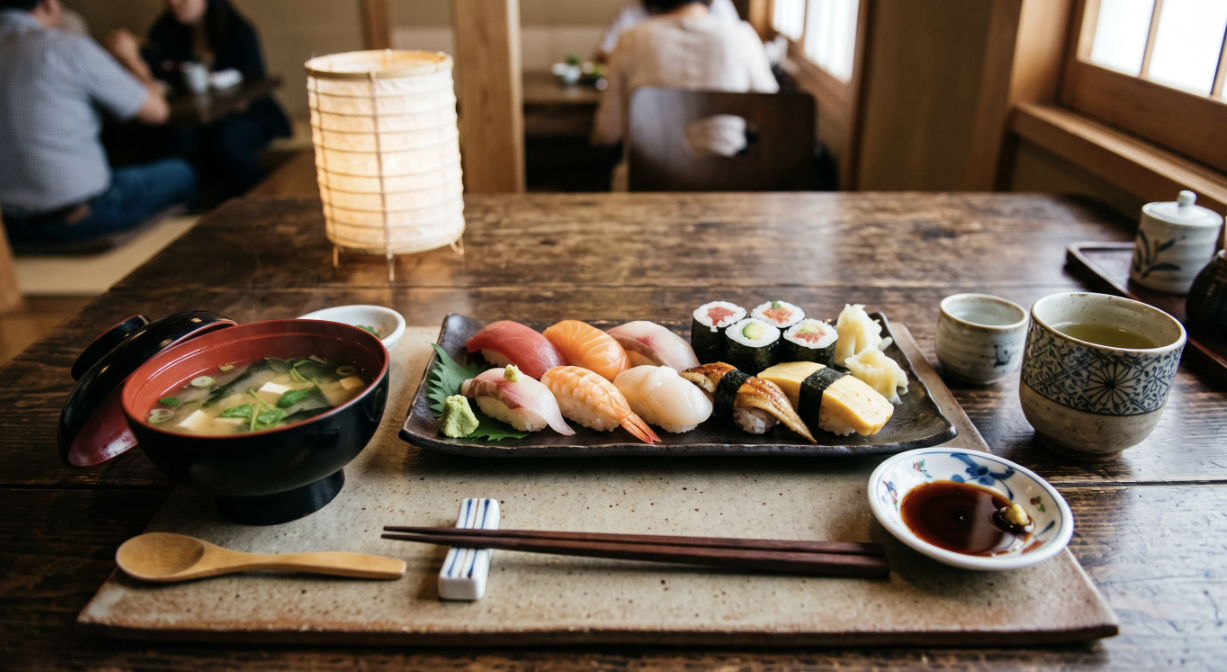
Tipping at restaurants in Japan (日本, Nihon) is not expected and is often politely refused. Excellent service is already part of the experience, and leaving extra cash on the table can lead to embarrassment or confusion. Knowing this cultural point saves you hassle, allowing visitors to simply relax and enjoy the local cuisine. In Japan, embracing etiquette and customs is part of what makes the adventure memorable.
General Tipping Customs in Japan
Is tipping ever appropriate in Japanese restaurants?
Tipping is rare in Japan, whether you eat at casual eateries like izakaya (居酒屋) or fine dining kaiseki (懐石料理) spots. Restaurant staff are paid a fair wage, and attentive service is the standard rather than a bonus in Japan. When you attempt to tip, most places will politely return any gratuity. If you insist, it may cause confusion or even mild irritation.
How is good service acknowledged?
In Japan, good manners, a kind “gochisousama deshita” (ごちそうさまでした) after a meal, and respectful words are what count. This phrase expresses genuine thanks to chefs and staff for their hard work. In most situations, just being polite and appreciative says it all much better than trying to leave cash.
Dining Situations and Expectations
Table Service Restaurants (レストラン)
Whether it’s a midrange teishokuya (定食屋), sushi bar (寿司屋, sushiya), or rooftop dining in Shibuya (渋谷), tipping is not needed. Bills (お会計, okaikei) have all charges included, and no service fee is added or expected. Staff will not look for an extra tip, so pay the stated price and enjoy the meal.
Cafes, Izakaya, and Chain Outlets
At chain venues such as Saizeriya (サイゼリヤ) or Doutor Coffee (ドトールコーヒー), payment is handled at the counter with no opportunity for tipping, regardless of how excellent the service is. Kindness and a thank you matter more than spare coins.
High-End and Ryotei (料亭) Experiences
Even in exclusive ryotei or luxury hotels, gratuity is still not expected. Sometimes, customers with longstanding relationships may give a modest, beautifully wrapped envelope (“pochibukuro,” ポチ袋) as a special thank you—mostly for special occasions or longer stays. However, this is quite rare and should only be considered if specifically advised by a Japanese local or host.
What to Do Instead of Tipping
Use Local Etiquette: Words that Matter
In Japan, polite phrases go a long way. Saying “arigatou gozaimasu” (ありがとうございます) when being served and “gochisousama deshita” (ごちそうさまでした) after finishing your meal will be much more meaningful. These words are warmly received from Kyoto (京都) ryokan dining rooms to Osaka (大阪) food stalls.
Appreciate the Service Charges
Some highend restaurants or kaiseki add a 10 to 15% service charge (サービス料, saabisuryou) to bills. This is not a tip but is automatically included, covering all aspects of the experience. There’s no need to add anything more.
Pay with Card or Cash Confidently
Simply pay the total shown on your bill using cash (現金, genkin) or a credit card. Many restaurants welcome international cards, but carrying some cash remains wise for smaller spots. For added convenience, use a travel eSIM like Airalo or KnowRoaming to check payment options, or make mobile reservations through Klook and KKday before your visit.
Where Tipping Is Handled Differently
Tour Guides and Hotel Porters
Tipping rules can change with guides and certain hotel staff. Although not needed, some international hotels or private tour guides may accept small gratuities aimed at Western guests. If you wish to tip, use a discreet envelope—not loose cash. If unsure, check with the front desk or tour operator before offering any money.
Hair Salons, Spas, and Taxis
Just as at restaurants, there’s no need to tip at Japanese salons (美容院, biyouin) or in taxis (タクシー, takushii). Some people round up fares, but drivers don’t expect it and usually return your change promptly.
Analytical Table: Service Scenarios in Japan
Here’s a quick comparison table for common service settings in Japan and what travellers should expect:
| Service Venue | Tipping Expected? | Typical Local Practice | Traveller Recommendation |
|---|---|---|---|
| Restaurants (レストラン) | No | Polite thanks, say “gochisousama deshita” | Do not leave a tip |
| Izakaya (居酒屋) | No | Enjoy the experience, thank verbally | Do not tip or round up |
| Luxury Ryotei (料亭) | Sometimes, for special events | Gift envelope, only if advised | Check in advance, usually not needed |
| Hotel Porters | No (sometimes allowed in international brands) | Small cash in envelope rarely accepted | If given, use discreet envelope |
| Taxis (タクシー) | No | Exact fare payment, change always returned | No tip required |
Frequently Asked Questions: Tipping in Japan
Do Japanese staff ever expect a tip from tourists?
No. Staff provide the same top-level service to everyone, and tipping may cause confusion or surprise instead of gratitude.
Is it rude to insist on leaving a tip?
It’s best not to push the issue. Refusing money isn’t about bad manners; it’s simply how things are done. Handshakes and warm thanks go much further than cash in most settings.
What if the bill includes a service charge?
Some highend venues add a service fee (usually 10 to 15%). This is all you need to pay; nothing extra is required.
Should gifts or souvenirs be given instead?
Small gifts are sometimes used in business, but not in restaurants. A friendly “thank you” and a smile are always best.
Stay Updated & Plan Your Adventure
Bookmark this guide and return for updates on travel etiquette, new payment options, and trending restaurants in Japan. To track down more on Japanese customs and booking, visit the Japan National Tourism Organization or Japan Travel Hub. Make reservations ahead, set up mobile data, and follow etiquette for a smoother trip. For meals, check top-rated locations on Tabelog (食べログ) or Google Maps for up-to-date reviews and traveler insights.
Official Reference Links: