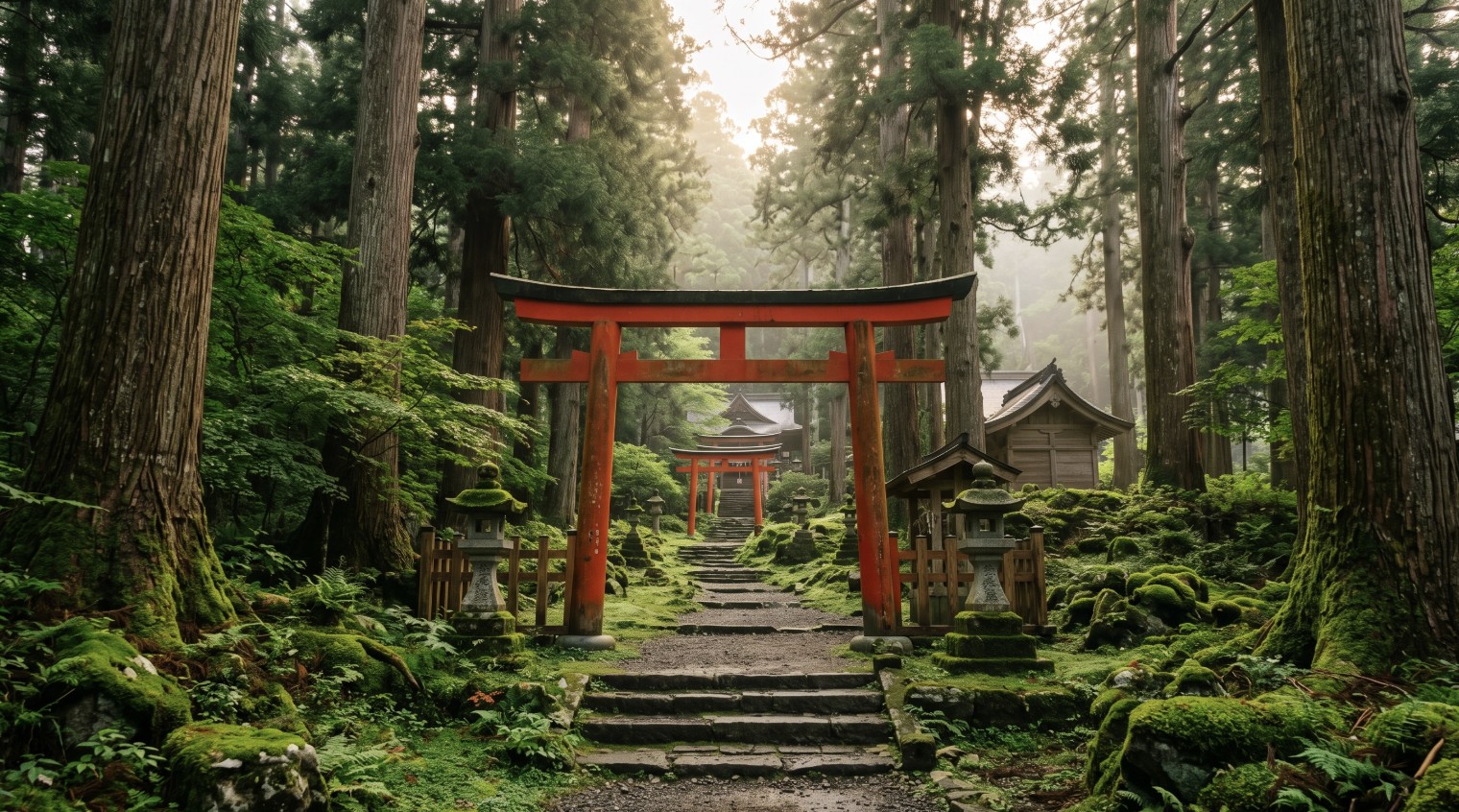
Planning a temple and shrine visit in Japan is easier when you organise routes, opening hours and etiquette in advance. This checklist helps you combine major sites efficiently while visiting respectfully.
Why Visit Temples and Shrines?
Temples are Buddhist places of worship, while shrines are associated with Shinto. Both are active religious sites as well as important cultural and architectural landmarks. Famous examples include Sensoji (浅草寺) in Tokyo, Kiyomizudera (清水寺) in Kyoto and Fushimi Inari Taisha (伏見稲荷大社) in Kyoto.
Before You Go
- Check official opening times: Hours vary by site, season and special events.
- Group places by area: Avoid crossing a city repeatedly in one day.
- Check special-entry rules: Most sites accept walk-ins, but exhibitions and illumination events may require booking.
- Carry small cash: It is useful for donations, charms, goshuin stamps and smaller admissions.
- Keep directions accessible: Save each destination in Japanese and English in your map app.
For current destination information, use Japan Travel and individual official temple or shrine websites.
Temple and Shrine Etiquette
- At the entrance: Make a small bow before entering through a torii gate or temple gate.
- At the purification basin: Rinse both hands with the ladle. If you rinse your mouth, pour water into your hand rather than placing the ladle on your lips.
- Keep voices low: These are active places of worship, especially near the main hall.
- Respect photography rules: Do not photograph where signs prohibit it, particularly inside halls or during ceremonies.
- At a shrine: A common prayer sequence is an offering, two bows, two claps, silent prayer and one final bow.
- At a temple: Quiet prayer is common. Follow local signs where incense or candles are available.
Build an Efficient Itinerary
- Kyoto north: Kinkakuji (金閣寺) and Ryoanji (龍安寺).
- Kyoto east: Ginkakuji (銀閣寺), Nanzenji (南禅寺), Kiyomizudera and Yasaka Shrine (八坂神社).
- Kyoto south: Fushimi Inari Taisha and Tofukuji (東福寺).
- Tokyo east: Sensoji, Asakusa Shrine and Ueno’s temple and museum district.
- Tokyo west: Meiji Jingu (明治神宮), reached from Harajuku or Yoyogi.
Start early for the quietest conditions at popular places. Build extra time into your plan during festivals, cherry blossom season and autumn foliage season.
Useful Transport Passes
Pass products and conditions change, so confirm eligibility, validity and price directly with the operator before buying.
| Pass | Where it is useful | What to check |
|---|---|---|
| Japan Rail Pass | Long-distance journeys on JR services | Compare against individual rail fares before purchase |
| Tokyo Subway Ticket | Tokyo Metro and Toei Subway journeys | It does not cover JR or private railways |
| Kyoto City Bus and Subway Pass | Kyoto city sightseeing | Check whether your planned trips make it worthwhile |
| Kansai regional rail passes | Kyoto, Osaka, Nara and nearby cities | Coverage differs between JR and private-rail passes |
Classic Sites to Include
- Sensoji (浅草寺), Tokyo: Tokyo’s oldest temple, known for Kaminarimon Gate and Nakamise shopping street.
- Meiji Jingu (明治神宮), Tokyo: A Shinto shrine in a large forested precinct near Harajuku.
- Kiyomizudera (清水寺), Kyoto: Known for its wooden stage and city views.
- Fushimi Inari Taisha (伏見稲荷大社), Kyoto: Famous for its vermilion torii-gate trails.
- Todaiji (東大寺), Nara: Home to the Great Buddha within Nara Park.
- Itsukushima Shrine (厳島神社), Miyajima: Known for its offshore torii gate; check tide times for the view you want.
Goshuin and Omamori
Goshuin are hand-written commemorative stamps collected in a goshuincho book. Omamori are protective charms. Both are usually available from a shrine or temple office; carry cash and follow staff instructions. A goshuincho should be treated respectfully and should not be used as an ordinary notebook.
Packing Checklist
- Comfortable walking shoes
- Modest, weather-appropriate layers
- Compact umbrella and water bottle
- Small cash
- Handkerchief or towel
- Phone battery pack
- Route plan and offline map access
Frequently Asked Questions
What is the difference between a temple and a shrine?
Temples are Buddhist sites and often feature incense, Buddhist images and pagodas. Shrines are Shinto sites and are commonly marked by torii gates.
Do I need to book temples and shrines in advance?
Usually not. However, special exhibitions, night illuminations and selected cultural experiences can require advance booking, so always check the official site for your date.
What should I wear?
Comfortable, modest clothing is appropriate. Bring socks in case shoes must be removed.
Can I take photographs?
Photography is usually permitted outdoors, but restrictions are common inside buildings and during worship. Follow all posted signs.
Before travelling, check the Japan National Tourism Organization, Japan Travel and individual site pages for current opening hours and seasonal notices.