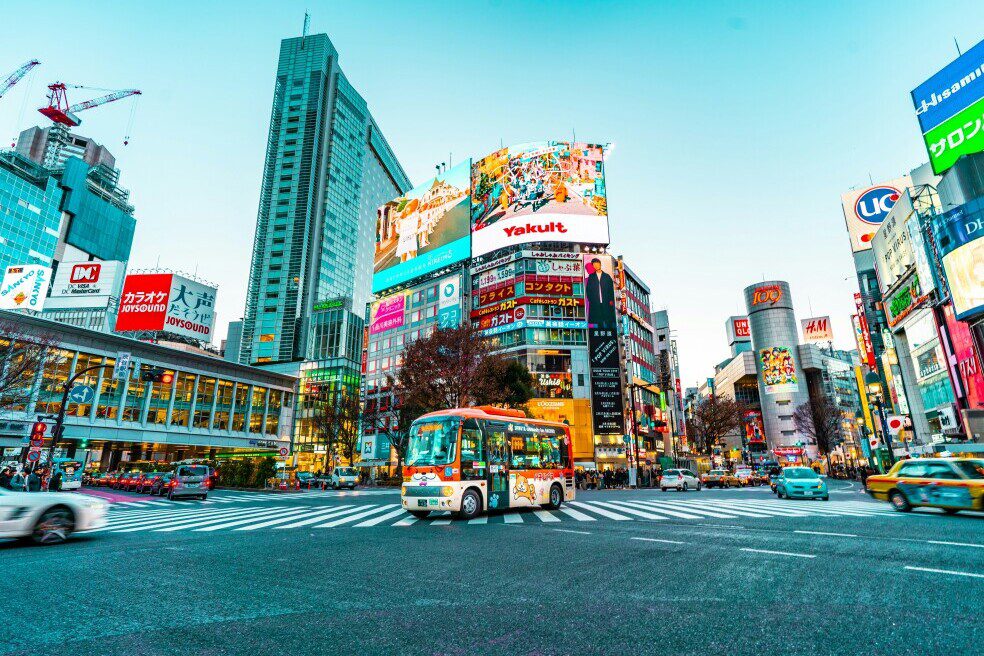
For most first-time visitors to Tokyo (東京), the best areas to stay are Shinjuku (新宿), Shibuya (渋谷), Asakusa (浅草), Ginza (銀座) and the Tokyo Station area (東京駅). Shinjuku is the strongest all-round choice for transport and evening life; Asakusa suits travellers who want a calmer, more traditional setting; Ginza and Tokyo Station work well for comfort, centrality and short multi-city itineraries.
Tokyo is vast, but choosing a hotel near a useful station matters more than trying to stay beside every attraction. You will use trains and the metro frequently, so prioritise a location within a short walk of a station, then choose the atmosphere, hotel style and budget that fit your trip.
Tokyo Areas at a Glance
| Area | Best for | Atmosphere | Watch out for |
|---|---|---|---|
| Shinjuku (新宿) | First visits, nightlife, transport and day trips | Busy, neon-lit and energetic | Large, complicated station and noisier streets |
| Shibuya (渋谷) | Shopping, dining, couples and city energy | Trendy, youthful and central | High hotel prices and constant crowds near the station |
| Asakusa (浅草) | Families, traditional sights and better-value stays | Historic, relaxed and atmospheric | Longer journeys to western Tokyo |
| Ginza (銀座) | Luxury, dining, shopping and a polished base | Refined, central and quieter at night | Higher accommodation costs |
| Tokyo Station, Marunouchi and Yaesu | Shinkansen trips, short stays and convenience | Businesslike, grand and highly practical | Less residential character and fewer budget hotels |
| Ueno (上野) | Museums, parks, families and airport access | Local, convenient and comparatively affordable | Less nightlife than Shinjuku or Shibuya |
How to Choose
There is no universal “best” Tokyo neighbourhood. Your ideal base depends on whether you value a lively evening scene, easy shinkansen access, quieter nights, traditional sightseeing or a hotel close to an airport train.
- Choose Shinjuku if you want the widest choice of restaurants, bars, hotels and train connections.
- Choose Shibuya if fashion, cafés, nightlife and western Tokyo attractions are your priority.
- Choose Asakusa if you prefer temples, riverside walks, a slower pace and generally better-value accommodation.
- Choose Ginza if you want refined shopping, excellent restaurants and a central, polished environment.
- Choose Tokyo Station if you are continuing to Kyoto (京都), Osaka (大阪), Kanazawa (金沢) or elsewhere by shinkansen.
- Choose Ueno if museums, parks, Ameyoko shopping and straightforward travel towards Narita Airport appeal.
Shinjuku: Best All-Round Base
Shinjuku is the most practical all-round base for many first-time visitors. It has a huge selection of hotels, restaurants, department stores, convenience shops and evening entertainment, while Shinjuku Station connects the JR network, Tokyo Metro, Toei Subway, Odakyu Railway, Keio Railway and other lines.
It is especially useful if your itinerary includes Hakone (箱根), Mount Takao (高尾山), Kawaguchiko (河口湖) or western Tokyo. The Odakyu lines serve the Hakone direction, while the JR Chuo Line is useful for destinations west of central Tokyo. Shinjuku is also easy for reaching Shibuya, Harajuku (原宿), Ikebukuro (池袋), Ueno and Tokyo Station.
- Best for: First-time visitors, solo travellers, couples, nightlife and varied dining.
- Hotel style: Budget business hotels, mid-range international hotels, apartment-style stays and luxury properties.
- Good areas within Shinjuku: West Shinjuku for larger hotels and a calmer business-district feel; Shinjuku-sanchome for restaurants and shopping; southern Shinjuku for transport links.
- Think twice if: You are sensitive to noise, dislike crowds or want to be close to traditional sights.
Kabukicho (歌舞伎町) is an entertainment district within Shinjuku. It is busy and well-lit, but it is not the best hotel location for every traveller. Avoid street touts, do not follow invitations to unknown bars or clubs, and choose a hotel on a quieter surrounding street if you want Shinjuku without the late-night intensity.
Shibuya: Trendy and Central
Shibuya is a strong choice for travellers who picture Tokyo as fashion, music, bright screens, cafés and late-night energy. Shibuya Crossing (渋谷スクランブル交差点), the Hachiko Statue (忠犬ハチ公像), Shibuya Sky and major shopping complexes are all close to the station.
Shibuya Station is served by the JR Yamanote Line, JR Saikyo Line, JR Shonan-Shinjuku Line, Tokyo Metro Ginza Line, Hanzomon Line and Fukutoshin Line, plus Keio Inokashira Line and Tokyu railways. That makes it highly convenient for Shinjuku, Harajuku, Omotesando (表参道), Daikanyama (代官山), Yokohama (横浜) and many other districts.
- Best for: Couples, solo travellers, shoppers, food-focused trips and nightlife.
- Nearby sights: Meiji Jingu (明治神宮), Harajuku, Omotesando, Yoyogi Park (代々木公園) and Daikanyama are reachable on foot or with a short train journey.
- Hotel style: Modern mid-range hotels, design-led stays and higher-end city hotels.
- Think twice if: You are travelling with very young children, want quiet evenings or have a tightly controlled accommodation budget.
Shibuya is very walkable once you are away from the busiest station exits, but the station itself is extensive and has undergone major redevelopment. Build in a little extra time when meeting people or changing lines, particularly during peak commuting hours.
Asakusa: Traditional and Calm
Asakusa offers a more historic side of Tokyo. It is home to Senso-ji Temple (浅草寺), Nakamise Shopping Street (仲見世通り), Sumida Park (隅田公園) and views towards Tokyo Skytree (東京スカイツリー). The neighbourhood is especially pleasant early in the morning and after many day visitors have left.
Asakusa is served by the Ginza Line, Toei Asakusa Line, Tobu Skytree Line and Tsukuba Express. It is easy to reach Ueno, Ginza, Nihombashi (日本橋), Skytree and eastern Tokyo, but journeys to Shinjuku and Shibuya usually take longer than from a west-side base.
- Best for: Families, first-time visitors seeking traditional scenery, slower-paced stays and travellers interested in ryokan-style accommodation.
- Hotel style: Business hotels, compact mid-range hotels, small inns and selected ryokan-style properties.
- Advantages: More relaxed nights, memorable early-morning temple walks and good access to eastern Tokyo.
- Think twice if: You expect to spend most evenings in Shibuya, Shinjuku or Roppongi (六本木).
Asakusa can offer better value than Ginza, Shibuya or central Shinjuku, but never assume it is cheap during cherry-blossom season, school holidays, the Sumida River Fireworks Festival or major Japanese holiday periods. Compare the total price, room size, breakfast and cancellation terms rather than choosing by headline rate alone.
Ginza: Refined and Convenient
Ginza is Tokyo’s high-end shopping and dining district, known for department stores, flagship boutiques, galleries and restaurants. It is a good option for travellers who want a central base that feels more polished and less chaotic than Shinjuku or Shibuya.
Ginza Station is served by the Ginza, Marunouchi and Hibiya subway lines. Higashi-ginza (東銀座), Yurakucho (有楽町), Shimbashi (新橋) and Tokyo Station are all nearby, giving the area excellent access to central Tokyo and airport connections.
- Best for: Luxury travellers, food lovers, mature couples, shoppers and shorter city breaks.
- Hotel style: Luxury hotels, upscale international brands and higher-end business hotels.
- Advantages: Excellent dining, straightforward transport and easy access to Tokyo Station and the Imperial Palace area.
- Think twice if: You want low-cost accommodation, a youth-oriented nightlife scene or a residential local feel.
Ginza is quieter once the shops close, which is a benefit for many visitors. However, restaurants can be expensive and some reservations are difficult to secure. Look beyond the most famous streets: nearby Yurakucho and Shimbashi often offer more casual dining options.
Tokyo Station: Best for Rail Trips
The Tokyo Station area is the most efficient choice if your Tokyo stay is part of a wider Japan itinerary. Tokyo Station is a major shinkansen hub for routes towards Kyoto, Osaka, Nagoya (名古屋), Hiroshima (広島), Kanazawa and northern Japan, depending on the line and service.
When searching for hotels, include Marunouchi (丸の内), Yaesu (八重洲), Nihombashi and Kyobashi (京橋), not only the immediate station frontage. These nearby districts can offer different price points and are often within a manageable walk or one short metro stop from Tokyo Station.
- Best for: Multi-city holidays, early shinkansen departures, short stays, business travellers and visitors who value simplicity.
- Hotel style: Luxury hotels around Marunouchi, premium business hotels and practical options around Yaesu and Nihombashi.
- Advantages: Direct access to many JR lines, shinkansen platforms and airport trains; walkable access to the Imperial Palace East Gardens and Nihombashi.
- Think twice if: You want nightlife outside hotel bars, a traditional neighbourhood atmosphere or the lowest possible hotel prices.
Tokyo Station is large and has many exits, underground passages and shopping areas. A hotel described as “near Tokyo Station” may still be a 10- to 20-minute walk from the platform you need, especially with luggage. Check the hotel’s nearest exit and walking route before booking.
Ueno: Smart Budget Alternative
Ueno is one of the best alternatives for first-time visitors who want strong transport without Shinjuku or Shibuya hotel prices. Ueno Station serves several JR lines, the Tokyo Metro Ginza and Hibiya lines, and shinkansen services towards northern and eastern Japan. Keisei Ueno Station is also useful for services towards Narita Airport.
- Best for: Families, museum lovers, value-conscious travellers and visitors using Narita Airport.
- Nearby sights: Ueno Park (上野公園), Tokyo National Museum (東京国立博物館), Ameyoko (アメ横) market street and Yanaka (谷中).
- Advantages: Excellent rail access, more local atmosphere and useful food options around Ameyoko.
- Think twice if: Your main priority is central-west Tokyo nightlife or luxury shopping.
Airport Access Matters
Tokyo has two main airports, Haneda Airport (羽田空港) and Narita Airport (成田空港). Your hotel does not need to be beside an airport route, but it is worth checking your arrival and departure journey before booking.
- Haneda Airport: Usually the closer airport to central Tokyo. Rail options include Keikyu Railway and Tokyo Monorail connections, depending on your destination.
- Narita Airport: Further from central Tokyo. Narita Express services serve major stations including Tokyo, Shinjuku and Shibuya, while Keisei services are particularly convenient for Ueno.
- Tokyo Station and Ginza: Useful for airport limousine buses and rail options, but check the exact hotel stop before assuming direct service.
- Asakusa: Can be convenient for certain Keisei and Toei Asakusa Line connections, but route choices depend on time of day and luggage.
For a late-night arrival, an early-morning departure or a large family group with several suitcases, compare the cost and convenience of an airport limousine bus, train, taxi or pre-booked transfer. The quickest option is not always the easiest after a long international flight.
Hotel Booking Checklist
- Check the walking distance from the hotel to the specific station entrance or line you expect to use.
- Look at room dimensions, bed configuration and luggage space, not only guest-review scores.
- Confirm whether the room is smoking or non-smoking.
- Check the cancellation deadline, local taxes, service charges and whether breakfast is included.
- Read recent reviews for noise, lift waiting times, air conditioning, laundry facilities and Wi-Fi reliability.
- Ask in advance about cots, connecting rooms, accessible rooms or dietary requirements if these are essential.
- Consider sending large luggage between hotels using a luggage-delivery service if you are combining Tokyo with Kyoto, Osaka or Hakone.
When comparing accommodation, use a reputable booking platform and read the room details carefully.
Best Area by Traveller Type
| If you are… | Best starting point | Why |
|---|---|---|
| Visiting Tokyo for the first time | Shinjuku | Excellent transport, dining and hotel choice |
| Travelling as a couple | Shibuya or Ginza | Dining, walkability and different levels of urban energy |
| Travelling with children | Asakusa or Ueno | Calmer evenings, parks, museums and practical room-value options |
| Taking several shinkansen trips | Tokyo Station, Yaesu or Marunouchi | Fast access to major rail services |
| On a tighter budget | Ueno or Asakusa | Often better value than the most central west-side districts |
| Seeking nightlife | Shinjuku or Shibuya | High concentration of bars, restaurants and late-opening venues |
| Interested in traditional Tokyo | Asakusa | Temple district, historic streets and Sumida River setting |
Frequently Asked Questions
- Is Shinjuku or Shibuya better for first-time visitors to Tokyo?
Shinjuku is usually better for overall transport, hotel choice and day trips. Shibuya is better if you prioritise fashion, cafés, nightlife and western Tokyo. Both are central and convenient. - Is Asakusa too far from Shinjuku and Shibuya?
No, but it is less convenient for late evenings in western Tokyo. Expect longer cross-city journeys than from Shinjuku or Shibuya, particularly when changing metro or JR lines. - Is Tokyo Station a good place to stay for tourists?
Yes, especially for short stays or Japan itineraries involving shinkansen travel. It is central and efficient, although it feels more business-oriented than Asakusa, Shibuya or Shinjuku. - What is the safest area to stay in Tokyo?
Tokyo is generally regarded as a safe major city, but normal precautions still apply everywhere. Choose a well-reviewed hotel near a station, avoid following street touts into unknown venues and keep valuables secure in crowded areas. - How many nights should a first-time visitor stay in Tokyo?
Four to five nights is a useful minimum for major sights, neighbourhood exploration and one possible day trip. A shorter stay can still work well if you focus on two or three districts rather than trying to see the whole city.
For most first trips, choose Shinjuku if you want the simplest all-round base, Asakusa if you prefer traditional character and calmer nights, or Tokyo Station if your journey continues by shinkansen. Book near a station, leave room in your itinerary for travel time, and prioritise a hotel location that suits how you actually want to spend your evenings.