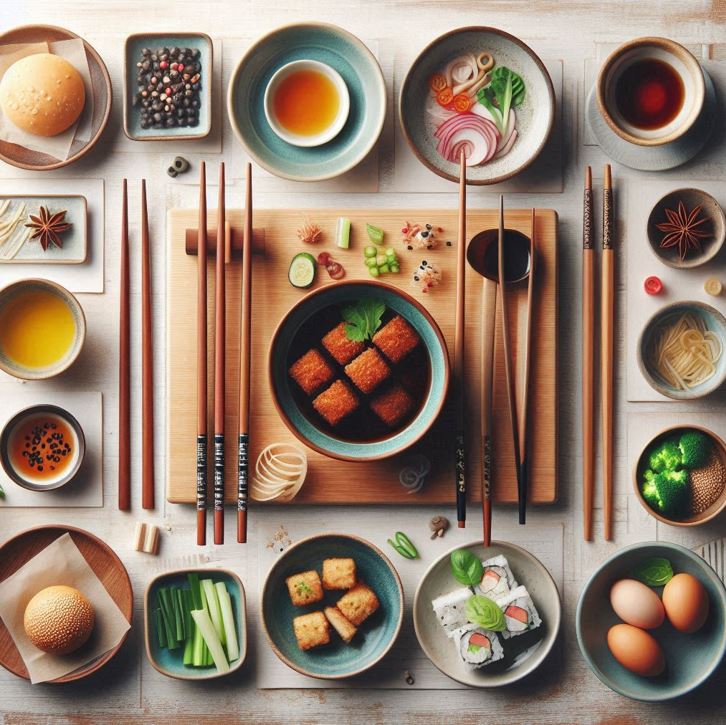
Learning how to use chopsticks is easier than it first appears. The simplest method is to keep the lower chopstick still, move only the upper chopstick, and practise with foods that are easy to grip. You do not need a “perfect” hand position to eat well: a comfortable, controlled grip is what matters. With a few minutes of practice, most beginners can pick up vegetables, noodles, rice and small bites with confidence.
Chopsticks are used across East Asia and beyond, but their shape, material and dining customs vary by country and household. This guide focuses on a practical everyday grip rather than claiming that there is only one correct way to hold them. Whether you are preparing for a Chinese meal, Japanese sushi, Korean barbecue or takeaway at home, the same basic principle applies: one chopstick stays stable and the other opens and closes against it.
The Basic Rule: Move Only One Chopstick
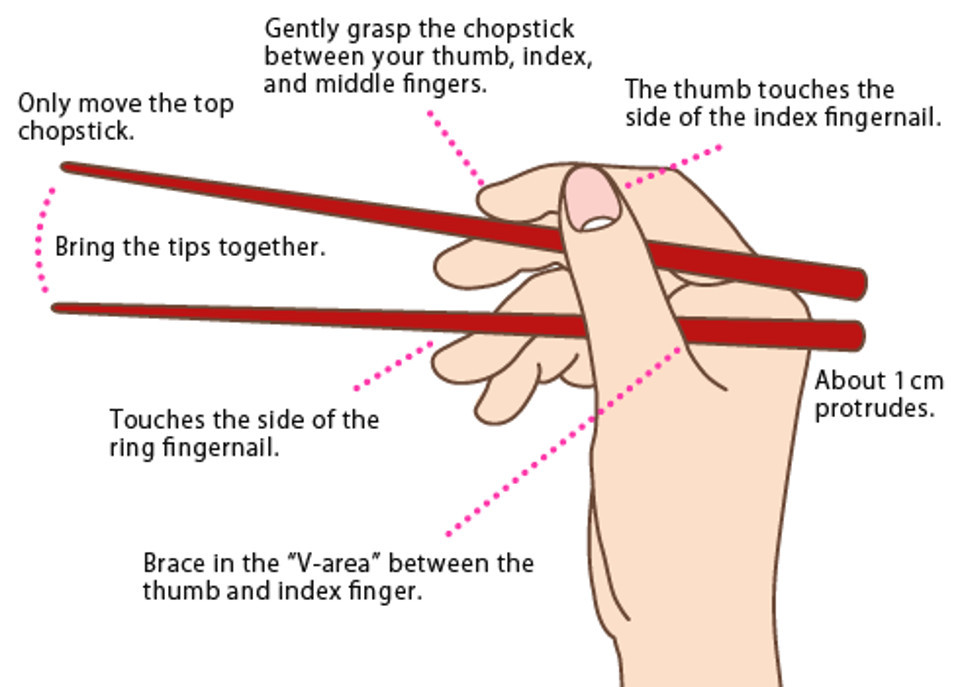
The key to using chopsticks is not squeezing both sticks together. Instead, make the lower chopstick your stable base. Hold the upper chopstick in a pen-like grip and use your thumb, index finger and middle finger to move it. When the upper chopstick moves down, the tips meet and grip the food. When it moves up, the tips open again.
This may feel awkward for the first few attempts because your fingers are learning a new movement. Avoid gripping the sticks too tightly. A tense hand makes the tips cross, wobble or spring apart. Hold them firmly enough to keep them aligned, but lightly enough that the top chopstick can move freely.
How to Hold Chopsticks: Step by Step
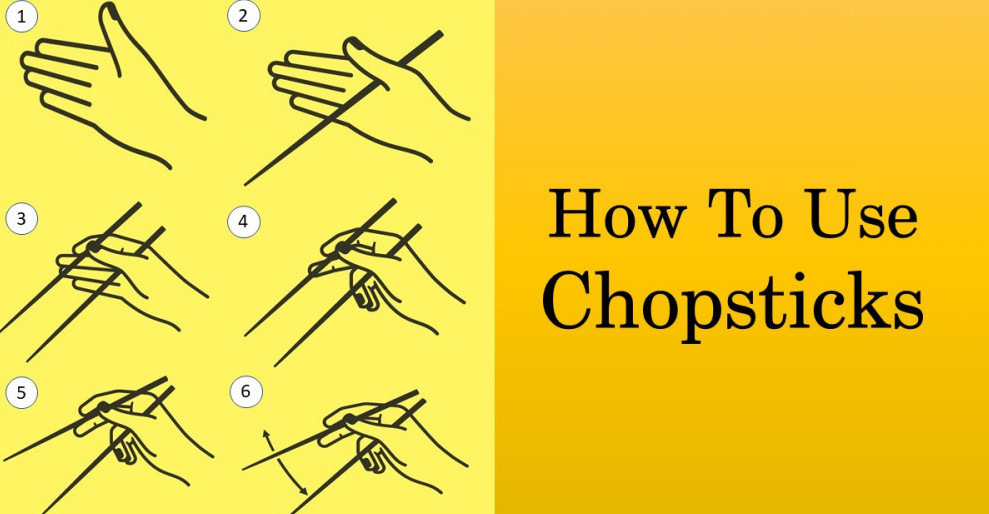
- Use your dominant hand and hold both chopsticks roughly around their upper third. You can adjust this position for comfort; there is no need to measure it precisely.
- Place the lower chopstick in the space between the base of your thumb and index finger. Let its lower end rest against the side of your ring finger.
- Keep the lower chopstick still. It should feel supported by the base of the thumb and the ring finger, rather than being tightly pinched.
- Hold the upper chopstick as you would hold a pen or pencil: between the thumb and index finger, supported by the middle finger.
- Open and close the upper chopstick by moving your index and middle fingers. The lower chopstick should remain stable.
- Check that the tips meet evenly. If one tip sits higher than the other, slide the chopsticks slightly until they align.
- Practise gripping a light piece of food, lift it a short distance, then place it back down. Begin slowly and increase speed only when the movement feels natural.
A Simple Hand Position to Remember
If you forget the steps, remember this: bottom stick still, top stick moves. The upper chopstick works much like the upper blade of a pair of tongs. Your hand should not need to twist or turn dramatically. Small finger movements are enough to open and close the tips.
Your chopsticks do not need to sit at a particular angle. Some people naturally hold them more horizontally; others angle them downwards towards the bowl or plate. As long as the tips meet, the food is secure and your grip is comfortable, your technique is working. Different hand sizes, finger lengths and mobility needs all affect the most comfortable position.
Practice Exercises for Beginners
Start with large, dry and non-slippery foods. Trying to pick up a glossy noodle or loose grains of rice immediately can be frustrating. The goal at first is to teach your hand the opening-and-closing movement, not to complete a difficult meal without dropping anything.
| Practice food | Why it helps | What to practise |
|---|---|---|
| Large vegetable pieces | They are easy to see and grip. | Closing the tips evenly around food. |
| Tofu cubes | They teach you to use a gentle grip. | Lifting without squeezing too hard. |
| Grapes or cherry tomatoes | They can roll if the grip is uneven. | Positioning the tips and applying steady pressure. |
| Pieces of chicken or mushrooms | They are closer to everyday meal foods. | Picking up different shapes and weights. |
| Noodles | They require coordination rather than force. | Gathering a manageable portion before lifting. |
Once you can lift several pieces in a row, try transferring food between two bowls. This is a useful exercise because it teaches control at both the start and end of the movement. If food keeps slipping, do not squeeze harder straight away. First check that the tips are aligned and that you are gripping the food near its centre rather than at an unstable edge.
How to Eat Different Foods with Chopsticks
Rice
Sticky or short-grain rice is usually easier to pick up because it clumps together. With looser rice, it is normal in many Chinese dining settings to lift a small bowl closer to your mouth and use chopsticks to guide the rice in. Do not try to grip individual grains one by one. If the meal includes a spoon, use it when it is the more practical utensil.
Noodles
Gather a small bundle of noodles rather than attempting to lift a large portion. Grip them gently and lift steadily, allowing excess noodles to fall back into the bowl before bringing the manageable portion towards your mouth. A soup spoon can help support noodles in broth, depending on the dish and the table setting.
Sushi and dumplings
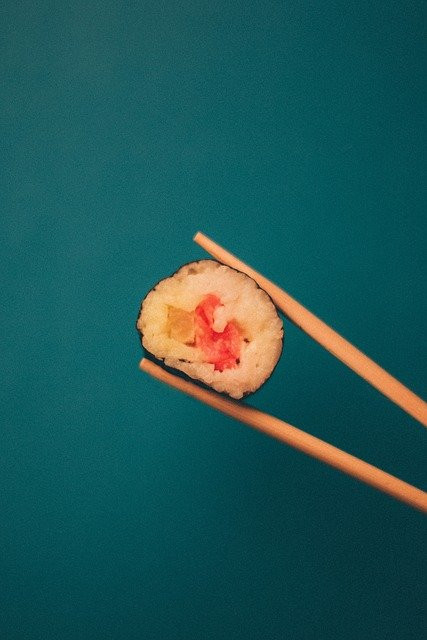
Grip sushi or dumplings from the sides with enough pressure to keep them together. If a piece is large, it is often easier and neater to eat it in one bite rather than trying to split it with chopsticks. Avoid stabbing food unless there is no practical alternative; chopsticks are designed to grip rather than spear.
Slippery foods
Tofu, mushrooms, fish and glossy stir-fried vegetables can slide away when the chopsticks are held too far apart. Open the tips only as wide as needed, aim for the thickest or most stable part of the food, then close gently and lift in a smooth movement. A roughened or textured tip can make reusable chopsticks easier to control.
Common Mistakes and Easy Fixes
- The chopstick tips cross over: Slide one stick slightly up or down in your hand until the tips meet evenly.
- Both chopsticks move: Reposition the lower chopstick so it rests securely against the ring finger and the base of your thumb.
- Your hand becomes tired quickly: Loosen your grip. Holding chopsticks too tightly creates fatigue and makes precise movement harder.
- Food slips repeatedly: Use a smaller opening between the tips and take smaller pieces. Check whether the food is particularly smooth or oily.
- You cannot pick up small foods: Begin with larger pieces and build control gradually. Small foods need precision, not extra force.
- Your chopsticks feel too long or too smooth: Try a shorter pair, a pair with squared sides or a pair with textured tips for extra grip.
Choosing Chopsticks for Beginners
The best chopsticks are the pair you can comfortably control. There is no need to buy an expensive set to learn. A reusable bamboo or wooden pair with a non-slip finish is often a comfortable choice for beginners. Avoid very smooth, round and heavy chopsticks at first, as they can rotate in the fingers and make it harder to keep the tips aligned.
- Bamboo or wood: Often light and easy to grip. Reusable pairs should be washed and dried according to the maker’s care instructions.
- Stainless steel: Durable and common in Korean dining, but smooth metal can feel more slippery for a beginner.
- Plastic or melamine: Often lightweight and practical, particularly for casual use. Choose products intended for food use and follow the manufacturer’s instructions.
- Square or faceted chopsticks: Less likely to roll and can be easier to position than completely round styles.
- Textured tips: Helpful for gripping noodles, tofu and other smooth foods.
Chopstick Styles Around East Asia
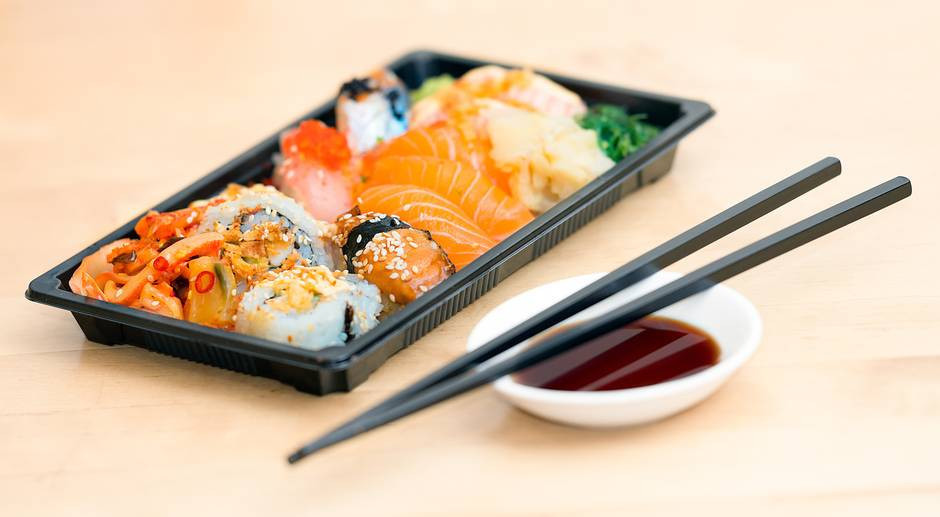
Chopsticks come in a variety of lengths and shapes. Chinese chopsticks are often longer and may have broader or blunter ends, which are practical for reaching shared dishes at the centre of a table. Japanese chopsticks are commonly shorter and more tapered, which can help with delicate foods such as fish. Korean chopsticks are frequently made from metal and are often used alongside a spoon.
These are general patterns, not strict rules. Chopsticks vary widely by maker, region, restaurant and personal preference. The style does not determine whether you can use them properly; a comfortable grip and considerate table manners matter far more.
Basic Chopstick Manners
Knowing how to hold chopsticks is only part of using them confidently. When eating from shared dishes, use serving chopsticks or serving spoons if they are provided. Avoid using the ends that have been in your mouth to serve food to others. If you are unsure how food should be shared, follow the host or other diners.
- Do not leave chopsticks standing upright in a bowl of rice or other food.
- Do not point at people, wave chopsticks around or use them as drumsticks on bowls and plates.
- Do not dig through a shared dish searching for a preferred piece.
- Do not use chopsticks to pull bowls or plates towards you.
- Rest chopsticks on the chopstick holder when one is provided, or place them neatly together on your bowl or plate.
Final Tips for Learning Chopsticks
Progress comes from short, relaxed practice rather than forcing your hand into an uncomfortable position. Keep the lower chopstick stable, move the upper chopstick gently and start with easy foods. If you drop something, simply try again. Even experienced chopstick users occasionally struggle with slippery noodles or an awkwardly shaped piece of food.
Use chopsticks at home for snacks or a simple meal, and you will gradually build the muscle memory needed to use them comfortably. The goal is not to copy somebody else’s grip exactly; it is to pick up food neatly, comfortably and with confidence.
Once you are comfortable with the basic grip, practise using chopsticks with a wider range of foods. Start with vegetables and dumplings, then move on to noodles, rice and delicate foods such as tofu. With regular use, the movement will feel increasingly natural.
Frequently Asked Questions
- Is there one correct way to hold chopsticks? No. The most common method keeps the lower chopstick stable while the upper chopstick moves. However, hand size, comfort and personal habit can affect the exact grip.
- Which hand should I use to hold chopsticks? Use your dominant hand. If you are left-handed, you can hold chopsticks in your left hand unless the host or restaurant has a specific table arrangement that makes another approach more comfortable.
- What are the easiest foods to practise with chopsticks? Begin with large vegetable pieces, tofu cubes, dumplings, mushrooms or pieces of chicken. These are easier to grip than loose rice or slippery noodles.
- Why do my chopsticks cross at the tips? The chopsticks are probably not aligned in your hand. Slide one chopstick slightly up or down, then check that both tips meet evenly before trying again.
- Can I use chopsticks for rice? Yes. Sticky rice is easy to pick up in small clumps. For loose rice, it is common in many Chinese dining settings to lift a small bowl closer to your mouth and guide the rice in with chopsticks.
Save this guide for your next meal and keep practising. A comfortable grip, a little patience and good table manners are all you need to use chopsticks with confidence.