

Japan Etiquette Guide: Rules Every Tourist Should Know

(日本) is famous for its politeness and order, and many first‑time visitors worry about “getting things wrong”. Fortunately, you don’t need to memorise hundreds of rules to behave respectfully – a handful of principles and situation‑specific tips cover most of what tourists need.
Travel and cultural guides consistently highlight etiquette around temples and shrines, restaurants, public transport and onsen (温泉) as the most important for visitors to understand.
Table of Contents
- General Manners in Japan
- Temple and Shrine Etiquette
- Restaurant and Dining Etiquette
- Public Transport Etiquette
- Onsen (Hot Spring) Etiquette
- Smoking and Public Behaviour Rules
- Frequently Asked Questions
General Manners in Japan
Bowing and Greetings
You are not expected to perform perfect formal bows; simple nods and polite greetings are fine.
A few basics:
- A small bow or nod when saying hello and thank you is appreciated.
- Avoid overly familiar touch with strangers (hugs, back‑slapping).
Keeping Your Voice Down
Speaking loudly on public transport or in enclosed spaces is considered impolite.
The norm is:
- Quiet conversations on trains and buses.
- No phone calls in carriage interiors; calls, if necessary, are usually taken on platforms or in designated areas.
Punctuality
Punctuality matters more in Japan than in many countries.
Arrive on time for tours, restaurant bookings and trains; lateness can be seen as disrespectful.
Temple and Shrine Etiquette
Japan is full of religious sites, especially shrines (神社, jinja) and temples (寺, tera).
Dress Code
There isn’t a strict dress code at most shrines and temples, but modest dress is appreciated:
- Avoid offensive slogans or overly revealing clothes.
- Remove hats in inner halls where appropriate.
Basic Shrine Visit Steps
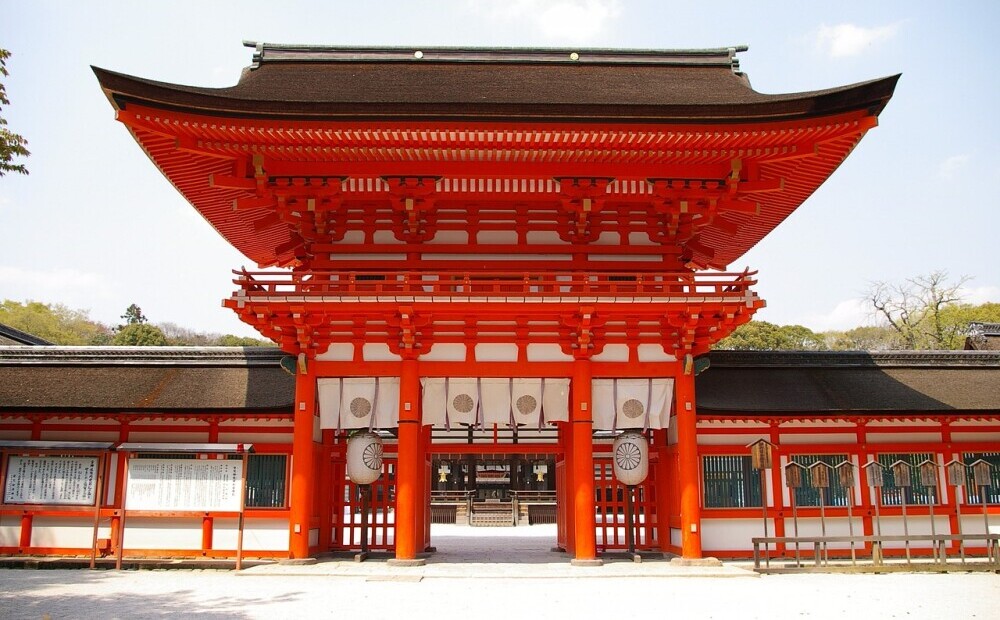
At Shinto shrines, there is a simple pattern many guides recommend:
- Torii gate (鳥居): Bow lightly before walking through.
- Purification fountain: Rinse hands and mouth lightly using ladles.
- Main hall: Offer a small coin, bow, clap gently if appropriate, and bow again.
If you’re unsure, watch local visitors and mirror their behaviour respectfully.
Photography Rules
Many temples and shrines allow photography in outdoor areas but restrict it in inner halls or specific sites.
Look for signs and avoid photographing worshippers up close.
Restaurant and Dining Etiquette
Dining etiquette has a few distinctive points worth noting.
Chopstick Rules
Some chopstick behaviours are considered rude or associated with funeral rites:
- Don’t stick chopsticks upright in a bowl of rice.
- Don’t pass food directly from chopstick to chopstick.
- Don’t use chopsticks to point at people or wave them around.
Placing chopsticks neatly across a bowl or on a rest is perfectly acceptable.
To learn how to use chopstick before travelling to Japan, read this ‘How to use Chopsticks‘ blog post for more information.
Saying “Itadakimasu” and “Gochisousama”
Many Japanese people say “itadakimasu” (いただきます) before eating and “gochisousama deshita” (ごちそうさまでした) after finishing.
You are not obliged to use these phrases, but saying them softly can be appreciated and shows respect.
Tipping in Japan
Japan is a non‑tipping culture:
- Leaving cash on the table can confuse staff or be refused.
- Good service is assumed; prices already include staff wages.
If you genuinely wish to thank someone, a polite compliment or small gift is more appropriate than tipping.
Public Transport Etiquette
Japan’s trains and buses run on a strong expectation of order and consideration.
Queuing for Trains
Passengers typically form organised queues at marked spots on platforms.
- Join the line and wait your turn.
- Allow passengers to exit before boarding.
Priority Seating and Phone Use
Priority seats are reserved for elderly people, pregnant women, people with disabilities and parents with small children.
- Give up your seat when necessary.
- Keep phones on silent mode (manner mode); avoid calls on trains.
Luggage Placement
Large luggage should be placed out of the way, not blocking doors or aisles.
On Shinkansen, use the overhead racks or designated luggage spaces rather than leaving suitcases in the aisle.
Onsen (Hot Spring) Etiquette
Onsen are a highlight of many trips, but they come with specific etiquette.
Washing Before Entering
The most important rule is to wash thoroughly at the washing area before entering the communal bath.
- Sit on a stool, use the provided soap and rinse carefully.
- Only enter the bath clean; the bath itself is for soaking, not washing.
Clothing and Towels
Most traditional onsen require you to bathe nude, separated by gender (men/women).
- Swimsuits are generally not allowed unless clearly indicated.
- Use a small towel to cover yourself while walking but keep it out of the water.
Tattoos
Some onsen still restrict visible tattoos, although policies are gradually changing.
Check ahead; some facilities permit tattoos or ask you to cover them with patches.
Smoking and Public Behaviour Rules
Many cities in Japan restrict smoking while walking and have designated smoking areas.
- Smoke only in signed smoking zones.
- Be aware of fines or rules in local ordinances.
Eating while walking is less strictly regulated, but in busy areas it’s often encouraged to eat in or near shops rather than walking with food in hand.
Frequently Asked Questions
- Is it rude to tip in Japan?
Tipping is not expected and can be refused; expressing thanks verbally or with a small gift is more culturally appropriate. - Can tourists visit onsen with tattoos?
Policies vary; some onsen allow tattoos, some ask you to cover them, and some prohibit them. Always check in advance. - Do I need to bow to everyone in Japan?
No. Simple nods and polite behaviour are enough; formal bows are more relevant in business or ceremonial contexts. - What should I avoid doing on Japanese trains?
Avoid loud conversations, phone calls, blocking doors and taking priority seats if you’re healthy and young.