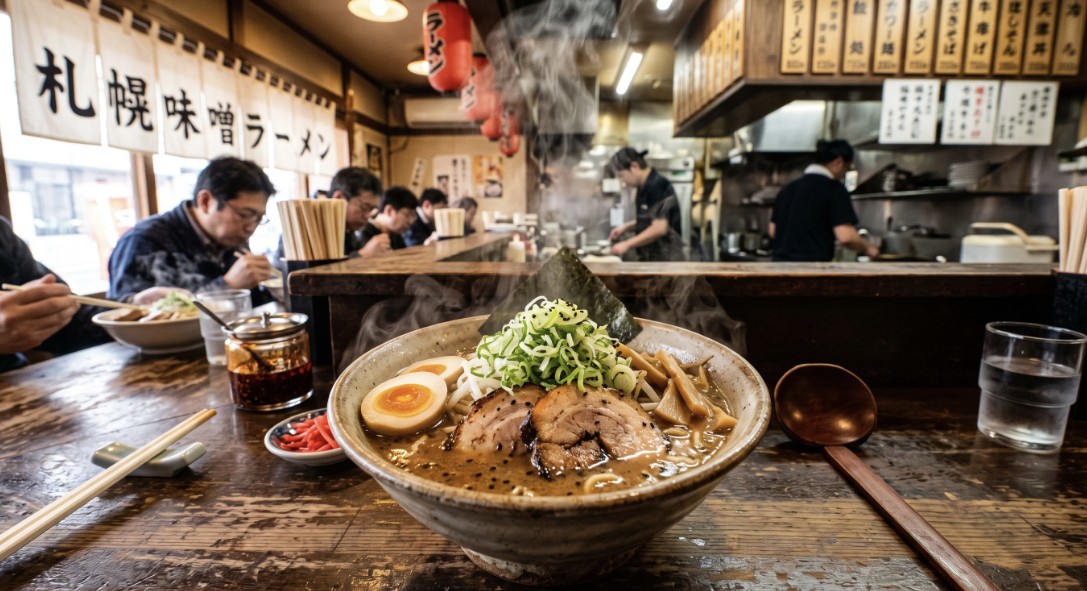
For anyone exploring Sapporo (札幌) in Hokkaido (北海道), trying authentic ramen (ラーメン) is a top priority. The city is renowned nationwide for its miso ramen, and many visitors travel north for the sole purpose of experiencing the rich, warming broth. Below is a researched list of Sapporo’s best ramen shops, with options to satisfy every palate and budget, based on high local ratings and consistent popularity among both residents and frequent visitors.
Why Sapporo Ramen Is Special
Ramen in Sapporo stands out for its focus on miso broths, curly wheat noodles, and hearty toppings such as sweet corn, locally produced butter, and thick slices of roast pork (チャーシュー). Culinary history links these bowls to post-war innovation and the city’s cold climate, where warming, punchy flavours were needed most. Over decades, ramen masters in Sapporo have refined their recipes, attracting loyal local fans and earning excellent scores on Tabelog and Google Maps. Every shop listed here delivers an authentic Sapporo ramen experience, avoiding obvious tourist traps and offering consistent quality that keeps both locals and savvy travellers returning again and again.
Top 10 Ramen Shops in Sapporo (2026 Edition)
The following ramen shops are highly rated, locally approved, and represent a cross-section of Sapporo’s iconic ramen culture. The list is kept up to date by cross-referencing recent customer reviews, local media coverage, and shop information. These ramen shops not only provide unforgettable meals, but also a true glimpse into the city’s comfort food culture, suiting all tastes from dedicated ramen fans to first-timers curious about Sapporo’s next-level noodle scene.
- Sumire (すみれ 中の島本店) – Sumire’s signature miso ramen features a fragrant, oily surface that seals in heat, keeping the broth piping hot to the last sip. The chewy noodles and robust miso-based broth have earned regular features in national media and guidebooks.
Address: 4-7-28 Nakanoshima 2-jō, Toyohira-ku, Sapporo, Hokkaido 062-0922, Japan
Nearest Station: Nakanoshima Station (Sapporo Municipal Subway Namboku Line), approx. 10 minutes on foot
Official Website: http://www.sumireya.com/
Notes: Expect queues at peak times; the classic miso ramen and butter–corn toppings are particularly popular. - Ramen Shingen Minami 6-jō (らーめん 信玄 南6条店) – Famous for its mellow, slightly sweet miso base that avoids excessive saltiness, Shingen pairs springy noodles with thick-cut chashu pork and generous bean sprouts for added texture.
Address: 8-8-2 Minami 6-jō Nishi, Chūō-ku, Sapporo, Hokkaido 064-0806, Japan
Nearest Station: Susukino Station (Sapporo Municipal Subway Namboku Line), approx. 10 minutes on foot
Official Map Listing: Google Maps – Ramen Shingen Minami 6-jō
Notes: Extremely popular in the evenings; arrive slightly before or after typical dinner hours to minimise waiting. - MEN-EIJI HIRAGISHI BASE (麺eiji 平岸ベース) – Creative yet grounded in local tradition, MEN-EIJI is a hotspot for ramen enthusiasts who enjoy inventive miso blends and limited-edition bowls released throughout the year.
Address: 11-1-12 Hiragishi 2-jō, Toyohira-ku, Sapporo, Hokkaido 062-0932, Japan
Nearest Stations: Hiragishi Station or Minami-Hiragishi Station (Sapporo Municipal Subway Namboku Line), approx. 10 minutes on foot
Official Website: https://men-eiji.jp/
Notes: Known for seasonal seafood or chicken-based bowls alongside miso; closed on Wednesdays, so check hours before you go. - Aji no Sanpei (味の三平) – Often credited as one of the pioneers of Sapporo miso ramen, Aji no Sanpei remains a simple, nostalgic spot with retro decor and a miso broth that many locals consider foundational.
Address: Daimaru Fujii Central Building 4F, 3-2 Minami 1-jō Nishi, Chūō-ku, Sapporo, Hokkaido 060-0061, Japan
Nearest Station: Odori Station (Subway Namboku / Tozai Lines), approx. 3 minutes on foot
Official Map Listing: Google Maps – Aji no Sanpei
Notes: Located inside a stationery-focused department store; opening days can vary slightly, so confirm hours in advance. - Hokkaido Ramen Santouka Sapporo Kita 1-jō Chikaho (らーめん山頭火 札幌北一条店) – Part of a famous national chain, this Sapporo branch is praised for its shio (塩) ramen: a lighter, deeply savoury broth topped with tender pork and a pickled plum for a subtle tang.
Address: Sapporo North Plaza B1F, 2-2 Kita 1-jō Nishi 4-chōme, Chūō-ku, Sapporo, Hokkaido 060-0001, Japan
Nearest Stations: Odori or Sapporo Stations (via underground walkway), short walk through the Chikaho underground passage
Official Website: Santouka – Sapporo Kita 1-jō Chikaho
Notes: Convenient on cold or snowy days thanks to direct underground access. - Keyaki Susukino Main Store (けやき 札幌すすきの本店) – A staple of the Susukino nightlife area, Keyaki’s ramen features a bold, peppery miso broth with vibrant vegetables and fresh garlic, making it ideal for a satisfying late-night meal.
Address: Mutsu Building 1F, 3 Minami 6-jō Nishi, Chūō-ku, Sapporo, Hokkaido 064-0806, Japan
Nearest Station: Susukino Station (Subway Namboku Line), approx. 3 minutes on foot
Official Website: https://www.kei-ramen.jp/
Notes: Also operates a branch at New Chitose Airport, useful if you want a bowl immediately after landing or before departure. - Sora Honten (空 本店) – “Sora” (“sky”) has earned a loyal following for its miso and shoyu (soy sauce) ramen, each bowl typically topped with corn, bamboo shoots, and grated ginger.
Address: 5-20-2 Minami 3-jō Nishi, Chūō-ku, Sapporo, Hokkaido 060-0063, Japan
Nearest Station: Susukino Station (Subway Namboku Line), approx. 7 minutes on foot
Official Map Listing: Google Maps – Ramen Sora Honten
Notes: A small, counter-style shop; expect a cosy atmosphere and queues during typical dinner hours. - Ramen Ezokko (ラーメンえぞっ子 本店) – Established in the 1960s, Ezokko is known for nostalgia and generous portions, with rich miso broth and house-made noodles attracting both locals and regional visitors.
Address: Near Odori Station area, Chūō-ku, Sapporo, Hokkaido (check the latest Google Maps listing “ラーメンえぞっ子 本店” for exact current location)
Nearest Station: Odori Station (Subway Namboku / Tozai Lines)
Official Map Listing: Google Maps – Ramen Ezokko Honten
Notes: Some branches and names have changed over time; confirm that you are heading to the current “本店” (main store). - Ramen Tetsuya (らーめんてつや) – Popular with students and budget-conscious diners, Ramen Tetsuya is known for its bold miso ramen, including spicy variations, and tender chashu.
Address: Multiple branches around Sapporo; one long-running main store is in Toyohira-ku (Misono area). Check “らーめんてつや 本店” or “らーめんてつや 美園店” on Google Maps for the latest address and opening hours.
Nearest Stations: Gakuenmae or Kikusui Stations (Subway Tozai Line), depending on the branch
Official Map Listing: Google Maps – Ramen Tetsuya (Toyohira area)
Notes: Exact branch details can change; always confirm via current map listing before visiting.
Ramen Shop Overview: Location and Accessibility
Getting between these top ramen shops is straightforward via Sapporo’s subway lines (Namboku, Toho, and Tozai), plus the extensive underground walkways that keep you out of the cold. Most of the shops listed above sit within walking distance of central stations such as Odori, Susukino, and Sapporo, making it easy to enjoy a ramen-focused itinerary for lunch and dinner in a single day.
For transport, travellers typically rely on local IC cards such as Kitaca, Suica, PASMO, and other major cards, all of which can be used on Sapporo’s subway network and buses. Sapporo also offers various 1-day subway and tram passes, available directly from ticket machines and official counters; validity and pricing can change over time, so it is best to confirm details on arrival rather than relying on third-party booking platforms.
| Shop Name (Japanese) | Signature Style | Nearest Station | Tourist-Friendly? |
|---|---|---|---|
| Sumire (すみれ 中の島本店) | Rich miso ramen with optional butter and corn toppings | Nakanoshima Station (Namboku Line) | Yes – short walk from station and clear menu |
| Ramen Shingen (らーめん 信玄 南6条店) | Mellow miso ramen with thick chashu and bean sprouts | Susukino Station (Namboku Line) | Yes – popular with locals; evenings very busy |
| MEN-EIJI (麺eiji 平岸ベース) | Creative miso and seasonal seafood / chicken bowls | Hiragishi / Minami-Hiragishi Stations (Namboku Line) | Medium – short subway ride and walk from central Sapporo |
| Aji no Sanpei (味の三平) | Classic miso ramen in a nostalgic department-store setting | Odori Station | Yes – central location with indoor access |
| Santouka (山頭火 札幌北一条地下歩行空間店) | Signature shio ramen with pickled plum topping | Odori / Sapporo Stations via underground passage | Yes – easy to reach through Chikaho in bad weather |
| Keyaki (けやき 札幌すすきの本店) | Bold, peppery miso ramen with vegetables and garlic | Susukino Station | Yes – close to nightlife area and multilingual signage in some materials |
| Sora (空 本店) | Miso and shoyu ramen topped with corn, bamboo shoots, ginger | Susukino Station | Yes – compact shop, photos help non-Japanese speakers |
| Ezokko (えぞっ子 本店) | Thick miso ramen with nostalgic atmosphere | Odori Station | Yes – central location; confirm current “main store” listing |
| Tetsuya (てつや) | Strong-flavoured miso ramen, including spicy versions | Gakuenmae / Kikusui Stations (depending on branch) | Medium – multiple branches; use maps to pick the most convenient |
How to Order Ramen Like a Local
Sapporo ramen shops range from counter-only, old-school spots to larger, family-friendly restaurants. Many use vending machines at the entrance for meal tickets; simply insert cash (yen), select your bowl (with sample photos), collect the ticket, and hand it to staff. Increasingly, shops in central areas offer basic English guidance or photo-rich menus, making the process welcoming even for visitors with limited Japanese.
Common toppings include extra butter (バター), sweetcorn (コーン), spring onions (ネギ), boiled eggs (卵), and spicy miso (辛味噌). Seasonal specials appear throughout the year, such as seafood-forward bowls or limited-edition miso blends, so checking shop signage or recent reviews can help you spot unique offerings on the day. Don’t hesitate to ask staff for recommendations; Sapporo ramen shops are used to curious guests who want to make the most of their visit.
Best Times and Insider Tips for Visiting Sapporo Ramen Shops
- Peak hours: Evenings (around 6–9 pm) and weekends are usually very busy, especially at Sumire, Shingen, and MEN-EIJI. Visiting in the late afternoon (2–4 pm) or after 9 pm generally reduces queue times.
- Cultural expectations: Solo diners are common, and most locals eat relatively quickly so seats can turn over. Slurping your noodles is considered normal and even a sign that you are enjoying the meal.
- Dietary notes: Most bowls use pork-based broths or toppings, although shops like MEN-EIJI occasionally serve seafood or chicken-focused ramen. Vegetarian and vegan ramen are still rare, so travellers with dietary requirements should check menus or ask staff before ordering.
- Reservations: Traditional ramen shops in Sapporo typically do not accept reservations and operate strictly on a first-come, first-served basis.
- Mobile internet: Finding ramen locations on foot is much easier with mobile data. Reliable eSIM and SIM providers for Japan include major telecom operators and international services such as Airalo and Holafly, but availability and pricing change often; always check current details on official provider websites before purchasing.
Practical Travel Advice: Getting Around Sapporo for Ramen
The Sapporo subway network is efficient and friendly to foreign visitors, with multilingual signage and real-time updates on platforms. 1-day passes for the subway or combined subway–tram routes can be purchased directly from ticket machines and official sales points, which is usually more straightforward than relying on third-party booking sites.
Central Sapporo is walkable for several shops (particularly around Odori, Susukino, and Sapporo Stations), and taxis are readily available for short hops between neighbourhoods. Google Maps provides accurate walking and public transit directions, so a bit of planning in advance can turn a simple lunch into a full “ramen crawl” across multiple districts in one day.
Frequently Asked Questions
What makes Sapporo ramen different from Tokyo or Hakata ramen?
Sapporo ramen is closely associated with miso-paste broths, curly noodles, and toppings like butter and corn that suit the city’s snowy climate.In contrast, Tokyo ramen often highlights clear soy-based broths, while Hakata (Fukuoka) specialises in creamy tonkotsu (pork bone) ramen with thin, straight noodles.
Are these ramen shops suitable for travellers who do not speak Japanese?
Yes. Many shops listed here use vending machines with photo menus or display detailed pictures of their ramen outside, and central locations see a steady flow of international visitors. Staff may not always speak fluent English, but simple phrases, pointing at menu photos, and basic Japanese greetings usually work well.
What payment methods are accepted at Sapporo ramen shops?
Cash (Japanese yen) remains the most widely accepted payment method at small, traditional ramen shops. Some larger or more modern venues, and those inside shopping complexes, may accept IC cards or major credit cards, but it is always safest to carry enough cash for your meal.
Is queuing for ramen in Sapporo unavoidable?
Popular shops do see queues at peak times, but turnover is generally fast because customers eat and leave promptly. Planning visits outside standard lunch and dinner hours, and being flexible about which branch you go to, can significantly reduce waiting.
Bookmark This Guide for Your Sapporo Trip
Ramen is only the beginning of Sapporo’s food scene, but no trip feels complete without at least two or three bowls at these celebrated shops. Keeping this guide bookmarked makes it easier to check addresses, transport connections, and opening hours before you head out. With a little planning – and warm clothes – you can create a personalised ramen trail through Japan’s snowy north, pairing noodles with nearby izakayas, dessert cafés, and other Hokkaido comfort foods.