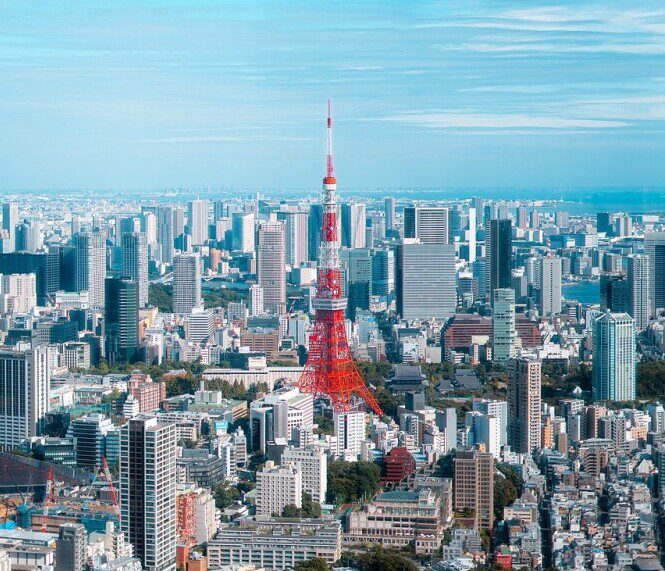
The best area to stay in Tokyo for your first Japan trip depends on your itinerary. Choose Shinjuku for broad transport connections, restaurants and Hakone trips; Shibuya for shopping and western Tokyo; Ueno or Asakusa for museums, temples and a calmer atmosphere; and Tokyo Station if you will continue to Kyoto, Osaka or other cities by Shinkansen.
Tokyo is huge, so there is no single perfect area for every visitor. The right hotel base is the one that reduces long station walks, repeated train changes and late-night journeys back after sightseeing.
This guide compares the five most practical areas for independent travellers visiting Tokyo for the first time.
Choose by Itinerary, Not Hype
It is easy to choose a hotel based on a fashionable neighbourhood or a high review score. However, the best area depends on where you plan to spend your time. A hotel in the right transport area can save significant time and energy over several days.
- Choose Shinjuku if you want broad rail connections, restaurants and a useful base for Hakone.
- Choose Shibuya if your plans focus on shopping, Harajuku, Omotesando, food and western Tokyo.
- Choose Ueno if museums, parks, Asakusa, Akihabara and northern Japan rail routes are priorities.
- Choose Asakusa if you prefer temples, traditional streets and calmer evenings.
- Choose Tokyo Station if you have an early Shinkansen journey or a multi-city Japan itinerary.
Before booking, use a map app to check the real walking route between the hotel entrance and the station line you expect to use most. In Tokyo, two hotels described as being near the same station can have very different walking times and station access.
The Yamanote Line: Useful but Not Essential
The JR Yamanote Line is a circular railway line that links major Tokyo stations, including Shinjuku, Shibuya, Tokyo and Ueno. It is helpful for first-time visitors because it connects many important sightseeing and shopping districts without requiring a complicated route plan.
However, do not choose a hotel only because it is close to a Yamanote Line station. Tokyo Metro, Toei Subway and private railways are just as important for many journeys. Asakusa, for example, is a highly practical tourist base even though it is not on the Yamanote Line.
- Useful Yamanote Line bases include Shinjuku, Shibuya, Ueno and Tokyo Station.
- Asakusa is a strong non-Yamanote option, with subway and private railway connections.
- Book near the station or line you will actually use, rather than near any JR station.
- Test likely routes to your planned attractions before confirming your accommodation.
Shinjuku: Best for Overall Flexibility
Shinjuku is one of the best all-round areas for a first-time Tokyo stay. It offers a vast choice of restaurants, shops, hotels and rail connections. Shinjuku Station connects JR services, Tokyo Metro, Toei Subway, Odakyu Railway and Keio Railway.
Shinjuku is particularly useful for Hakone. Odakyu Railway runs Romancecar limited-express services from Shinjuku towards Hakone-Yumoto. Check the current timetable, seat availability and reservation rules before travelling, especially at weekends and during holiday periods.
- Best for: First-time visitors who want flexible city transport, restaurants, nightlife and Hakone access.
- Useful rail connections: JR Yamanote Line, JR Chuo Line, Odakyu Railway, Keio Railway, Marunouchi Line and Toei Oedo Line.
- Evenings: Strong choice for dining, shopping, cinemas, bars and department-store food halls.
- Consider: Shinjuku Station is extremely large, so allow extra time for transfers and finding the correct exit.
- Where to stay: West Shinjuku is often calmer than the centre of Kabukicho.
Shinjuku is an excellent choice if you want to visit several parts of Tokyo and add a day trip. It is less ideal if you want traditional streets, quiet evenings or mainly eastern Tokyo sightseeing.
Shibuya: Best for Western Tokyo
Shibuya is best for travellers who want shopping, food, fashion, nightlife and easy access to western Tokyo. Shibuya Crossing, Harajuku, Meiji Jingu, Omotesando and Yoyogi Park are within walking distance or a short train journey.
Shibuya Station has JR, Tokyo Metro, Tokyu and Keio connections. It is useful for visiting Daikanyama, Nakameguro, Shimokitazawa, Yokohama and many other western Tokyo destinations.
- Best for: Couples, solo travellers, shoppers, food lovers and visitors who enjoy busy city energy.
- Nearby areas: Harajuku, Meiji Jingu, Yoyogi Park, Omotesando, Daikanyama and Nakameguro.
- Evenings: Excellent for restaurants, bars, shopping and lively streets.
- Consider: Shibuya is busy, hotel rooms can be compact and the station area can be confusing for first-time visitors.
- Less suitable for: Early Shinkansen departures, quiet historic surroundings and repeated trips to eastern Tokyo.
Choose Shibuya if your ideal Tokyo visit centres on fashion, street culture, food and nightlife. Choose Shinjuku instead if you want a broader transport hub and easier access to Hakone.
Ueno: Best for Museums and Parks
Ueno is a practical and often underrated Tokyo base. It has strong rail and metro connections, Ueno Park, museums, Ueno Zoo, Ameya-Yokocho market street and easy access to Asakusa and Akihabara.
Ueno is also useful for travellers continuing to northern or eastern Japan. JR East Shinkansen services towards destinations such as Sendai, Nagano and Kanazawa use Ueno Station as well as Tokyo Station.
- Best for: Museums, parks, cultural sightseeing, families and onward journeys on JR East routes.
- Nearby attractions: Ueno Park, Tokyo National Museum, National Museum of Nature and Science, Ueno Zoo and Ameya-Yokocho.
- Transport: JR Yamanote Line, Keihin-Tohoku Line, Ginza Line and Hibiya Line.
- Airport benefit: Keisei Ueno Station is nearby, which can be useful for certain Narita Airport rail services.
- Consider: Shibuya and Shinjuku are further away than from a west Tokyo base.
Ueno works particularly well if you prefer sightseeing, parks and museums to nightlife. It can be a calmer alternative to Shinjuku while remaining well connected to the rest of Tokyo.
Asakusa: Best for Traditional Tokyo
Asakusa is ideal for first-time visitors who want temples, traditional streets and a calmer atmosphere after dark. The neighbourhood centres on Senso-ji Temple, Nakamise-dori, the Sumida River and views towards Tokyo Skytree.
Asakusa is not on the Yamanote Line, but it has useful transport links. Asakusa Station is served by the Ginza Line, Asakusa Line, Tobu Railway and Tsukuba Express. The Ginza Line provides a direct route towards Ueno, Ginza and Shibuya.
- Best for: Traditional Tokyo, temples, families and visitors who prefer calmer evenings.
- Nearby attractions: Senso-ji, Sumida Park, river cruises, Tokyo Skytree and Tokyo Solamachi.
- Atmosphere: Historic, relaxed and sightseeing-focused.
- Transport: Ginza Line, Asakusa Line, Tobu Railway and Tsukuba Express.
- Consider: Journeys to Shinjuku and Shibuya take longer than from a west Tokyo base.
Asakusa is an excellent choice if you want a less overwhelming introduction to Tokyo. It works best when temples, eastern Tokyo, Skytree and riverside sightseeing matter more than western Tokyo nightlife.
Tokyo Station: Best for Shinkansen
Tokyo Station and Marunouchi are the best base for travellers continuing to Kyoto, Osaka, Nagoya or other cities by Shinkansen. The Tokaido Shinkansen links Tokyo with Nagoya, Kyoto and Osaka, and Tokyo Station is its eastern terminus.
Staying nearby removes the stress of crossing Tokyo with luggage before an early train. This area also works well for a final Tokyo night before flying home, particularly if you value a polished hotel district, central location and easy access to rail services.
- Best for: Multi-city Japan itineraries, early Shinkansen departures and travellers with larger luggage.
- Shinkansen benefit: Direct access to Tokaido Shinkansen services for Kyoto, Nagoya and Osaka.
- Nearby areas: Marunouchi, Nihombashi, Ginza and the Imperial Palace East Gardens.
- Consider: Hotels can be expensive, and Tokyo Station is very large.
- Important: A hotel described as being in the Tokyo Station area may still require a long walk to the Shinkansen gates.
Tokyo Station is the most efficient choice when a Shinkansen journey is a major part of your trip. If you are staying only in Tokyo, Ueno, Asakusa, Shinjuku or Shibuya may offer a more enjoyable neighbourhood atmosphere.
Best Area for Each Itinerary
- Mainly Tokyo with a Hakone day trip: Stay in Shinjuku.
- Shopping, food, Harajuku and western Tokyo: Stay in Shibuya.
- Museums, parks, Akihabara and Asakusa: Stay in Ueno.
- Temples, traditional streets and quieter evenings: Stay in Asakusa.
- Tokyo followed by Kyoto or Osaka: Stay near Tokyo Station or Marunouchi.
- Tokyo Disney Resort plus city sightseeing: Consider splitting your stay between central Tokyo and Urayasu.
Hotel Booking Checks
Once you have chosen an area, compare hotels carefully. Tokyo hotel locations can be misleading if you only look at a district name or a straight-line map distance.
- Check the walking route from the hotel to the specific station line you will use most.
- Check room size in square metres and confirm bed dimensions before booking.
- Check luggage access, lifts and road crossings if you are travelling with large cases.
- Check the final practical train route if you expect late dinners or evening activities.
- Check cancellation conditions before choosing a non-refundable rate.
- Do not choose accommodation only because of a rail pass; choose it around your actual itinerary.
Frequently Asked Questions
What is the best area to stay in Tokyo for a first-time visitor?
Shinjuku is the most versatile choice for transport, restaurants and day trips. Ueno and Asakusa are better for travellers who want cultural sights and a calmer atmosphere. Tokyo Station is strongest for Shinkansen-heavy itineraries.
Is Shinjuku or Shibuya better for a first Tokyo trip?
Choose Shinjuku for wider transport options and easier access to Hakone. Choose Shibuya for shopping, food, Harajuku and western Tokyo’s youthful energy.
Is Asakusa too far from Shinjuku and Shibuya?
No, but journeys are longer than from a west Tokyo base. Asakusa is best when temples, eastern Tokyo and traditional atmosphere matter more than late-night western Tokyo plans.
Should I stay near Tokyo Station for Kyoto?
Yes, particularly if you have an early Shinkansen, limited time or several suitcases. For a later departure with light luggage, other Tokyo areas can still work well.
Do I need to stay near the Yamanote Line?
No. The Yamanote Line is useful, but Tokyo Metro, Toei Subway and private railways are equally important. Asakusa is a strong tourist base despite not being on the Yamanote Line.
For your first Tokyo stay, choose the area that shortens the journeys you will actually make. Shinjuku is best for overall flexibility, Shibuya for western Tokyo, Ueno for museums and northern routes, Asakusa for traditional atmosphere, and Tokyo Station for a smooth Shinkansen departure.