

Best 7-day Japan Bullet Train Itinerary Scenic Routes
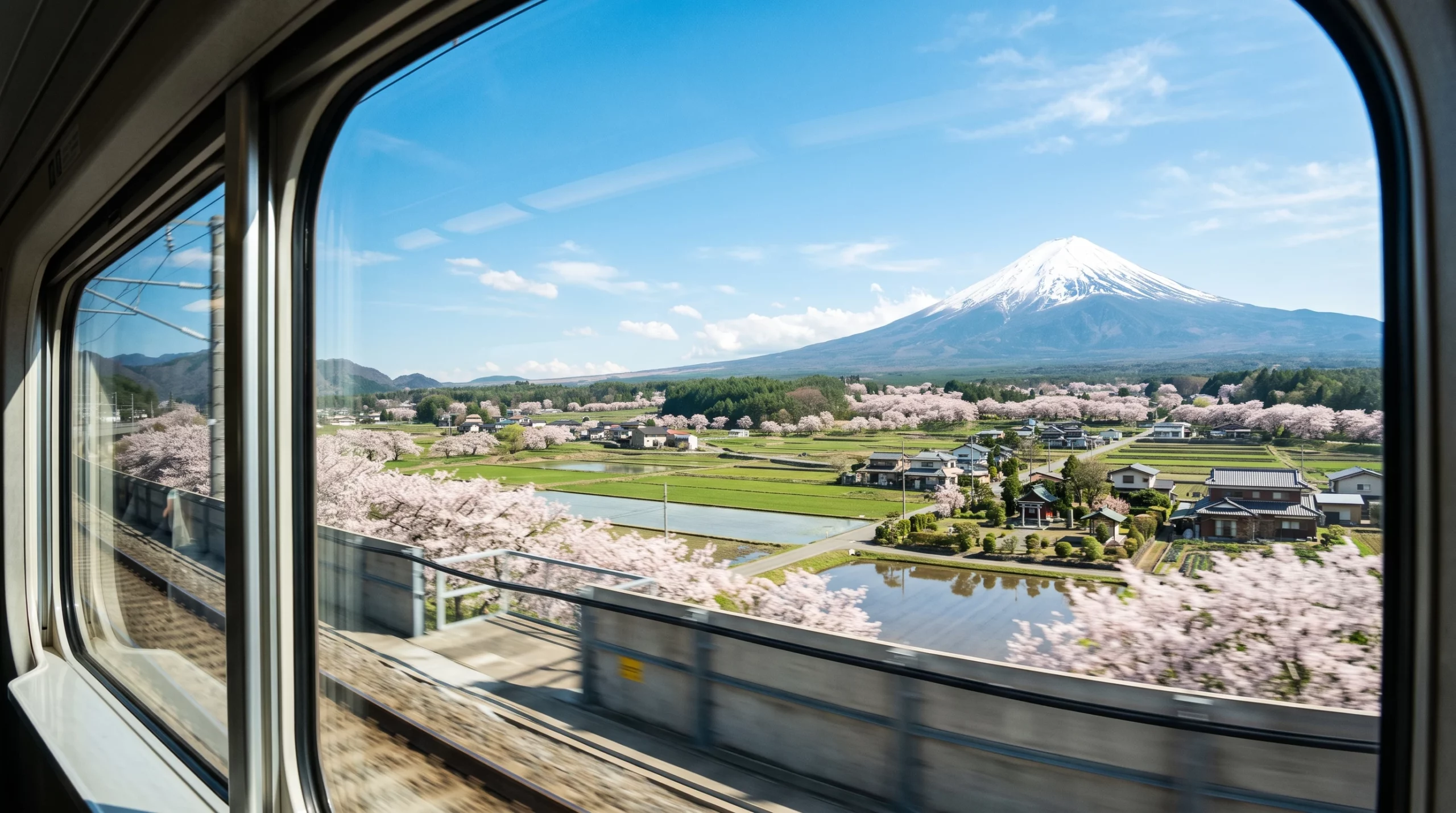
If you only have seven days and want to experience Japan’s most beautiful bullet train (新幹線, Shinkansen) journeys, the best 7-day itinerary connects the country’s most iconic cities, scenic spots, and celebrates the magic of highspeed rail. You’ll save time, maximise sightseeing, and enjoy nextlevel cool views from your window seat, all while using a single JR Pass for smooth travel and top value.
Table of Contents
- The Ultimate Japan Bullet Train Itinerary: Overview
- Why Use the Japan Rail Pass for Bullet Train Travel?
- Day 1: Tokyo to Hakone (Mount Fuji Views)
- Day 2: Hakone/Odawara to Kyoto – Classic Japan by Shinkansen
- Day 3: Kyoto to Osaka – Urban MashUp and Street Food
- Day 4: Osaka to Hiroshima – History Meets Island Beauty
- Day 5: Hiroshima to Kanazawa – Through the Inland Heartlands
- Day 6: Kanazawa to Tokyo – Coast, Alps and Shinkansen Comfort
- Day 7: Tokyo Day Trips by Bullet Train
- Planning Tips for a Flawless Shinkansen Adventure
- Affiliate Resources for UK Travellers
- JR Pass vs. Regular Tickets: What Saves More?
- Frequently Asked Questions
The Ultimate Japan Bullet Train Itinerary: Overview
I’ve planned this itinerary to cover a wide variety of landscape, history, modern cities, and local food culture. Over just one week, you’ll be able to enjoy eye-catching views of Mount Fuji (富士山), stroll historic Kyoto (京都), explore neonlit Osaka (大阪), wander traditional Kanazawa (金沢), visit the Hiroshima Peace Memorial (広島平和記念資料館), and end with Tokyo’s (東京) endless urban energy. Here’s how each bullet train ride fits together for optimal sightseeing:
| Day | Route | Key Highlights | Approx. Travel Time |
|---|---|---|---|
| 1 | Tokyo (東京) to Hakone (箱根)/ Odawara (小田原) | Mount Fuji, hot springs | 35 min |
| 2 | Odawara to Kyoto (京都) | Fuji views, classic shrines & geisha | 2 hr 10 min |
| 3 | Kyoto to Osaka (大阪) | Castles, Dotonbori food district | 15 min |
| 4 | Osaka to Hiroshima (広島) | Miyajima Island, Peace Park | 1 hr 30 min |
| 5 | Hiroshima to Kanazawa (金沢) (via ShinOsaka) | Scenic inland train rides | 5 hr (combined) |
| 6 | Kanazawa to Tokyo (東京) | Sea of Japan, Alpine foothills | 2 hr 30 min |
| 7 | Tokyo day trips (Nikko, Yokohama, Lake Kawaguchi) | Shrines, gardens, cityscapes | Varies |
Why Use the Japan Rail Pass for Bullet Train Travel?
The JR Pass gives you unlimited access to all JR bullet trains (covering most Shinkansen lines) for 7 days, unlocking massive savings compared to buying separate tickets. I recommend booking the pass before you head out from the UK. Klook, Trip.com, and KKday all offer easy preorder, English support, and occasional discounts. You will receive an Exchange Order to swap for your pass at any major Shinkansen station in Japan.
- Reserve your JR Pass at least 2 weeks before you travel. Digital passes are an option, too.
- Use Hyperdia or Japan Travel Navitime to check train times so you can make free seat reservations at any JR Ticket Office.
- If you want mobile data on the go, an eSIM from Airalo or a local SIM gives you access to navigate routes with Google Maps and ensures you never miss a view.
Day 1: Tokyo to Hakone (Mount Fuji Views)
Start your adventure by leaving Tokyo (東京駅) on the Tokaido Shinkansen for a quick ride to Odawara (小田原駅). From there, hop on the local Hakone Tozan Line or board a bus up to Hakone (箱根), a famous onsen (hot spring) area packed with breathtaking Mount Fuji (富士山) scenery.
- Arrive early for the clearest views of Mount Fuji from the train.
- In Hakone, ride the ropeway, visit the Open Air Museum, and relax in a classic onsen bath with Fuji views.
- The Hakone Free Pass lets you use buses, cable cars, and lake cruises, making it great value even for a short stay.
Day 2: Hakone/Odawara to Kyoto – Classic Japan by Shinkansen
From Odawara, board the Tokaido Shinkansen to Kyoto (京都駅). Try to get a seat on the right side (seat E for ordinary class) for more Fuji views as you speed south.
- Kyoto shines with heritage: walk through thousands of gates at Fushimi Inari Shrine (伏見稲荷大社), see the golden Kinkakuji pavilion (金閣寺), or stroll the Philosopher’s Path under cherry blossoms.
- Book a night in a ryokan (traditional inn) for a cultural boost, including kaiseki meals and tatami mats.
- If you want a guide, Viator or Klook have short walks focused on geisha districts (祇園, Gion) or Zen gardens.
Day 3: Kyoto to Osaka – Urban MashUp and Street Food
The Shinkansen from Kyoto to Osaka (新大阪駅) is possibly the quickest highspeed ride in Japan at only 15 minutes. You can travel in the morning and still have a full day to enjoy Osaka’s energetic city vibe.
- Stroll the neon Dotonbori (道頓堀) for takoyaki, okonomiyaki, and other local bites.
- Head up Osaka Castle (大阪城) to get a sweeping city view.
- Namba (難波) and Shinsekai (新世界) buzz at night and are safe to check out late.
Day 4: Osaka to Hiroshima – History Meets Island Beauty
Jump on the Sanyo Shinkansen direct from Osaka to Hiroshima (広島駅). If your pass covers the Nozomi, it’s just 1 hour 30 minutes. With Hikari or Sakura, it may take closer to 2 hours. Hiroshima delivers a powerful message of peace and strength.
- Start at the Hiroshima Peace Memorial (平和記念碑, Atomic Bomb Dome) and its moving museum.
- Day trip to Miyajima (宮島), where the iconic “floating” Itsukushima Shrine (厳島神社) stands just offshore.
- Try okonomiyaki “Hiroshima style” (広島風お好み焼き) on the lively Hondori shopping street.
Day 5: Hiroshima to Kanazawa – Through the Inland Heartlands
This is the longest travel day, but you’ll see so much variety along the way. First, return to ShinOsaka (新大阪駅), then switch to the Thunderbird Limited Express for Kanazawa (金沢駅). The ride winds through rice fields, forests, and mountain foothills, ending in Kanazawa’s Edo era streets.
- Kanazawa is famous for Kenrokuen Garden (兼六園), among Japan’s “three most beautiful gardens.”
- Explore the beautiful, preserved samurai and geisha districts (ひがし茶屋街, Higashi Chaya).
- Indulge in seafood at Omicho Market (近江町市場) and try the region’s fresh sushi.
Want extra history? Pop into the 21st Century Museum of Contemporary Art or the Nagamachi Samurai District for a peek into Kanazawa’s unique blend of tradition and innovation. Both are within easy reach from the station by local bus, which is included with a city transit pass.
Day 6: Kanazawa to Tokyo – Coast, Alps and Shinkansen Comfort
Hop on the Hokuriku Shinkansen from Kanazawa back to Tokyo. This highspeed line cuts through the Japan Alps (日本アルプス), offering eye-catching glimpses of the Sea of Japan (日本海) and lush countryside out your window.
- Watch for snowtipped peaks in winter or endless green in summer.
- If you’re up for it, stop off at Nagano (長野) to visit Zenkoji Temple (善光寺) or enjoy the city’s famous soba noodles before continuing east to Tokyo.
Day 7: Tokyo Day Trips by Bullet Train
Finish your adventure with a flexible day from Tokyo. Depending on your mood, there are plenty of easy Shinkansen or express trips that deliver fresh scenery and local highlights in a single day.
- Nikko (日光): Take Tobu or JR trains to reach the UNESCOlisted Toshogu Shrine (東照宮), surrounded by cedar forests and waterfalls.
- Lake Kawaguchi (河口湖): For a last look at Mount Fuji, the Fuji Excursion train from Shinjuku (新宿) carries you close to the iconic volcano. The Fuji Hakone Pass can help you save on local lines.
- Yokohama (横浜): Japan’s second city lies just 20 minutes south, known for its harbourfront and vibrant Chinatown (横浜中華街).
Your JR Pass covers these routes (except for certain private lines), so you can easily switch up your plans or chase the best weather without worry.
Planning Tips for a Flawless Shinkansen Adventure
Travelling by bullet train across Japan is super comfy and simple. A bit of planning helps things go smoothly. Here’s what makes a big difference:
- Seat reservations are free with the JR Pass and give peace of mind during busy travel seasons; book these early, especially if you want seats facing Mount Fuji.
- All Shinkansen stations show clear English signs, offer luggage storage, and have handy convenience shops (コンビニ) selling delicious bento boxes (駅弁, ekiben) for your ride.
- Travel light: Large suitcases need reserved spaces, but smaller bags make life a lot easier on packed trains and busy platforms.
- Bring a rechargeable IC card like Suica or ICOCA to use local subways and bus networks. These aren’t included with your JR Pass.
- Plan for seasonal crowds. Sakura (cherry blossom) and autumn foliage times draw more visitors, so booking accommodation early is smart.
Also, get a translator app such as Google Translate on your phone—you’ll appreciate having one when reading menus, train info, or asking for directions. You’ll find public WiFi at stations but having eSIM data lets you stay connected anywhere.
Affiliate Resources for UK Travellers
When booking your JR Pass, reputable platforms like Klook UK, Trip.com, or KKday make it easy to compare prices, double-check rules, and enjoy simple refunds. Pair your JR Pass with an Airalo eSIM for reliable data service in Japan. For lodging, Booking.com features a huge range of hotels steps away from the main bullet train stations. This saves time and energy, so you have more hours for sightseeing.
JR Pass vs. Regular Tickets: What Saves More?
This table draws on 2024’s average prices for a 7day loop, just like the route above. Exchange rates and ticket details change occasionally, so always refer to the JR Pass Official Portal for the most upto-date info.
| Route | Individual Tickets (GBP) | JR Pass (7 days, Ordinary) | Savings |
|---|---|---|---|
| TokyoHakoneKyotoOsakaHiroshimaKanazawaTokyo | Approx. £350-£400 | Approx. £210-£240 (¥50,000)* | £110–£190 |
*The pass price will vary by vendor. Green Car (first class) upgrades cost more but offer wider seats and extra quiet for the longer hauls.
Frequently Asked Questions
Here’s what many travellers ask before planning a bullet train escape across Japan:
- How do I reserve Shinkansen seats with a JR Pass?
Make a reservation at any JR Ticket Office or selfservice kiosk by showing your pass. Reserving in advance is smart for spring and autumn travel. - Can I use the JR Pass on all bullet trains?
The pass lets you ride almost all Shinkansen, except for the fastest Nozomi and Mizuho trains. Stick to Hikari, Sakura, Kodama, and all regional lines—they’re fast and comfortable. - What’s the best season for scenic bullet train routes?
April (for cherry blossoms) and November (for autumn leaves) are stunning, but every time of year has something special. Major holidays (Golden Week, New Year’s) are busier, so plan accordingly. - Is it easy to get around in Japan with just English?
Yes; English signs and announcements are everywhere in large stations and on the trains. Most staff can speak basic English, and you’ll find help desks at most Shinkansen stations.
Don’t forget to save this guide for your trip, as train rules and special promotions change often. If this Shinkansen itinerary gave you a boost, check back soon for more super detailed guides, realtime cost breakdowns, and the latest scenic rail escapes. Japan is always changing and every ride brings something new; here’s to making your adventure smooth, memorable, and unforgettable!