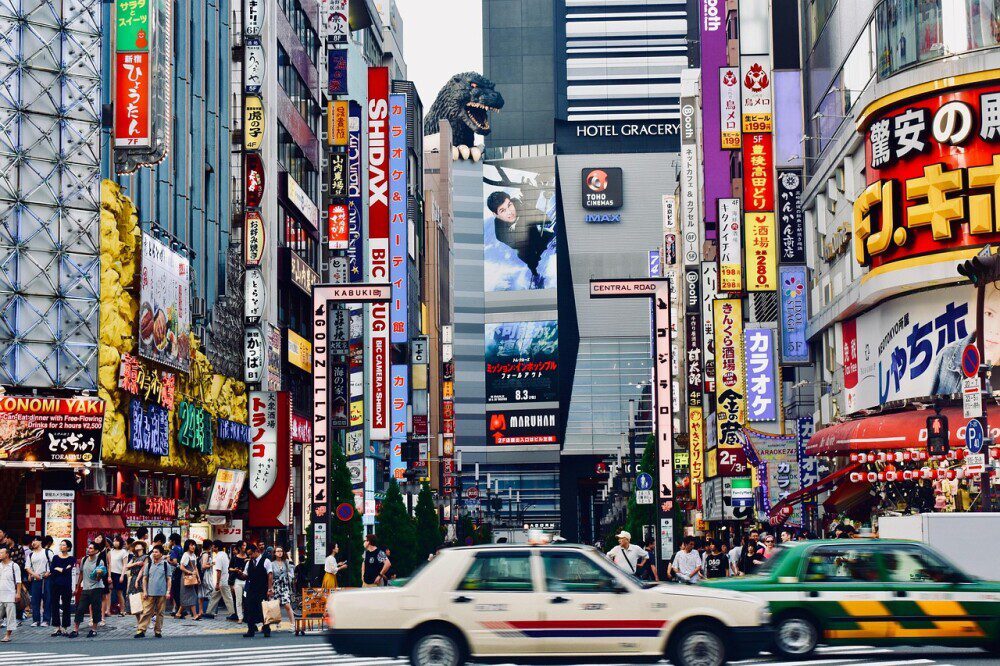
For most families visiting Tokyo (東京) for the first time, Ueno (上野) or Asakusa (浅草) are the best all-round areas to stay. Both offer useful public transport, family-friendly sightseeing, calmer evenings than the busiest nightlife districts and a practical choice of places to eat. Choose west Shinjuku (西新宿) for city-wide rail connections, Tokyo Station (東京駅) for Shinkansen journeys, and the Tokyo Disney Resort area only when Disney is a major part of the holiday.
Tokyo is excellent for children, but it is large, stations can involve long walks and many standard hotel rooms are smaller than UK families expect. The best family base is not necessarily the most fashionable area. It is the area that makes breakfast, supermarket stops, naps, buggy travel and the journey back to your hotel feel manageable.
This guide compares the most practical family areas for a first Tokyo trip. It explains the advantages and trade-offs of each location, plus the hotel checks that matter before you book.
Best Areas at a Glance
| Area | Best for | Family feel | Main drawback |
|---|---|---|---|
| Ueno (上野) | Parks, museums, zoo visits and practical transport | Cultural, convenient and family-friendly | Busy around the station and market streets |
| Asakusa (浅草) | Temples, traditional atmosphere and calmer evenings | Relaxed, walkable and sightseeing-focused | Longer journeys to western Tokyo |
| West Shinjuku (西新宿) | City-wide transport, food choice and day trips | Convenient when you choose a quieter hotel location | Large station and busy streets |
| Tokyo Station / Marunouchi (東京駅・丸の内) | Shinkansen journeys and short multi-city stays | Central, polished and efficient | Often expensive and less neighbourhood-like |
| Tokyo Disney Resort / Urayasu (東京ディズニーリゾート・浦安市) | Disney-focused holidays | Resort-style and practical for park days | Not central Tokyo for city sightseeing |
How to Choose Your Base
Choose your accommodation area around your likely daily itinerary, rather than booking the first well-reviewed hotel you see. A family planning Ueno Zoo (恩賜上野動物園), Senso-ji Temple (浅草寺) and Tokyo Skytree (東京スカイツリー) needs a different base from a family spending several days at Tokyo Disney Resort or travelling onwards to Kyoto (京都).
- Choose Ueno or Asakusa if you want culture, parks, temples and a more relaxed daily rhythm.
- Choose west Shinjuku if direct transport, restaurants and day trips are your priority.
- Choose Tokyo Station or Marunouchi if an early Shinkansen journey is central to your itinerary.
- Choose the Disney Resort area if you have two or more Disney park days or want to avoid a long post-park journey.
- Check the precise station exit and walking route before booking, especially when travelling with a pram, luggage or younger children.
Ueno: Best All-Round Choice
Ueno is one of the strongest all-round family bases for a first Tokyo visit. It combines major rail connections, a large public park, museums, casual restaurants and practical accommodation. Ueno Park (上野公園) sits beside JR Ueno Station, while Ueno Zoo is within the park, making this area especially useful for a slower family sightseeing day.
Ueno Zoo has entrances close to several stations. Its Main Gate is around five minutes on foot from the Park Exit of JR Ueno Station, while the Bentenmon Gate is close to Keisei Ueno Station and the Shinobazu side of JR Ueno Station. The zoo has nursing rooms, coin lockers and stroller rental, though availability and opening arrangements should be checked before travel.
- Best for: Families with children of mixed ages, first-time Tokyo itineraries and travellers who value practical connections.
- Nearby attractions: Ueno Park, Ueno Zoo, the National Museum of Nature and Science (国立科学博物館) and Ameya-Yokocho (アメヤ横丁).
- Food: Department-store food halls, casual Japanese restaurants, bakeries, convenience stores and familiar chain restaurants are easy to find.
- What to consider: The station and market streets can be crowded, especially at weekends and around public holidays.
Ueno is particularly useful for families who want children to have a break from dense shopping districts. It is still central Tokyo, but the park gives the area a welcome sense of space after a busy day. Check current museum and zoo opening schedules before finalising your itinerary.
Asakusa: Temples and Calmer Evenings
Asakusa is a strong choice for families who want traditional Tokyo atmosphere and a calmer evening environment. The neighbourhood is centred on Senso-ji Temple, Nakamise-dori (仲見世通り), the Sumida River (隅田川) and views towards Tokyo Skytree.
It is particularly suitable for families who like to start their day early. The temple area is busiest during the daytime, but many nearby streets become noticeably less hectic after day visitors leave. This can make the walk to dinner or back to your hotel easier than in central Shinjuku or Shibuya.
- Best for: Younger children, temple sightseeing, traditional streets and families who prefer quieter evenings.
- Transport: Asakusa is served by the Ginza Line, Asakusa Line, Tsukuba Express and Tobu Railway.
- Nearby activities: Senso-ji, Sumida Park (隅田公園), river cruises, Tokyo Skytree and Tokyo Solamachi.
- What to consider: Journeys to Shibuya, Shinjuku and other western Tokyo areas take longer than from a west-side base.
Asakusa can work particularly well for apartment-style accommodation, aparthotels and Japanese-style rooms. Before booking, check the actual bed arrangement, the number of beds, the bathroom layout and whether the room has enough usable floor space when suitcases are open.
West Shinjuku: Best for Transport
Shinjuku is one of Tokyo’s most useful transport hubs, but the exact hotel location matters. West Shinjuku, around the skyscraper district and hotel zone, is generally a better family choice than staying in the middle of Kabukicho (歌舞伎町), Tokyo’s late-night entertainment district.
This location is useful for families planning to visit several different Tokyo neighbourhoods, make day trips towards Hakone (箱根), or take a mixture of JR and private railway services. It also has a huge range of restaurants, supermarkets, department stores and convenience stores.
- Best for: Families with older children or teenagers, day trips and busy sightseeing itineraries.
- Nearby attraction: The Tokyo Metropolitan Government Building (東京都庁) has free observation decks, subject to its current opening arrangements.
- Food and supplies: Shinjuku is one of Tokyo’s easiest areas for breakfast, snacks, takeaway food and late meals.
- What to consider: Shinjuku Station is extremely large. A hotel described as nearby may still involve a long indoor or street-level walk.
Shinjuku is not unsuitable for children, but it is an intense urban environment. Choose a hotel away from the busiest late-night streets, understand the station route before you arrive and allow extra time whenever you are meeting family members at the station.
Tokyo Station and Marunouchi
Tokyo Station and Marunouchi are the most efficient choice for families whose Japan itinerary continues to Kyoto, Osaka (大阪), Nagoya (名古屋) or another city by Shinkansen. Staying nearby avoids the stress of crossing Tokyo with children and luggage before an early morning train.
The area is central, polished and practical, but it feels less like a residential neighbourhood than Ueno or Asakusa. It is best for families who value efficient transport, a strong hotel breakfast, easier luggage handling and a quick departure more than nightlife or independent neighbourhood exploring.
- Best for: Short stays, multi-city Japan itineraries and early Shinkansen departures.
- Transport: Tokyo Station has Shinkansen, JR and Tokyo Metro connections, although you should allow time to find the correct gate and platform.
- Nearby places: Marunouchi, Nihombashi (日本橋), the Imperial Palace East Gardens (皇居東御苑) and department-store food halls.
- What to consider: Hotels can be expensive, and the phrase “Tokyo Station area” covers several districts with very different walking times.
This area is most valuable when rail logistics are a major part of your trip. If you are spending all your time inside Tokyo, Ueno or Asakusa may offer a more relaxed family atmosphere.
Tokyo Disney Resort Area
Tokyo Disney Resort is in Urayasu (浦安市), Chiba Prefecture, east of central Tokyo. The resort area is the best place to stay when Tokyo Disneyland (東京ディズニーランド) and Tokyo DisneySea (東京ディズニーシー) are the main focus of your holiday, rather than a single day within a wider Tokyo itinerary.
Tokyo Disney Resort officially groups affiliated accommodation as Official Hotels, Partner Hotels and Good Neighbour Hotels. These groups offer different locations, transport arrangements and guest benefits. Some listed hotels offer shuttle buses, but the service, timetable and reservation requirement vary by hotel, so check the exact property before booking.
- Best for: Families with two or more Disney park days and younger children who may need a midday rest.
- Why it helps: A nearby hotel can make early starts, afternoon breaks and late-evening returns less demanding.
- Booking check: Confirm the hotel category, room type, shuttle details, guest benefits and current cancellation terms before paying.
- What to consider: The resort area is not central Tokyo, so allow proper travel time for full sightseeing days in Shinjuku, Shibuya, Ueno or Asakusa.
A practical option is to split your stay. Spend most nights in central Tokyo, then move to the Disney Resort area for one to three nights around your park days. This keeps city sightseeing straightforward while reducing travel on Disney days.
Official hotel guide: Tokyo Disney Resort affiliated hotels
What Families Should Book
In Tokyo, room configuration matters more than a generic “family-friendly” label. Do not assume a room advertised for four guests has four standard beds, enough luggage space or a bathroom layout suitable for a family. Always read the detailed room description and child policy before paying a non-refundable rate.
- Bed arrangement: Check whether children use a sofa bed, rollaway bed, bunk bed or Japanese futon.
- Room size: Compare square metres, not only labels such as “superior” or “deluxe”.
- Bathroom set-up: A separate bath and toilet can make mornings easier for families.
- Laundry: A washing machine, coin laundry or nearby laundrette can reduce how much you need to pack.
- Kitchen facilities: A kitchenette can help with breakfast, bottles and snacks, but confirm what equipment is actually provided.
- Station route: Check for lifts, street crossings and the real walking route from the hotel entrance to the relevant station.
- Cancellation terms: Flexible booking conditions may be worth a higher nightly rate for family travel.
Family Transport Tips
Tokyo’s rail network is efficient, but the route with one fewer train change is often better for a family, even if it takes a few extra minutes. Large stations can involve long corridors, staircases, lifts away from the platform and crowds at peak commuting times.
- Check your best station exit before leaving the platform.
- Try to avoid weekday commuter peaks when changing trains with a pram or several bags.
- Consider luggage forwarding if you are moving between Tokyo and other Japanese cities with large suitcases.
- Build a lower-energy day into every three or four busy sightseeing days.
- Keep snacks, water, tissues and weather protection easy to reach.
- Plan the journey back before children become overtired, particularly after a full day at a theme park or museum.
Which Area Fits Your Family?
| Your family trip | Best area | Why it works |
|---|---|---|
| First Tokyo trip with younger children | Ueno or Asakusa | Calmer evenings, useful family sights and a less intense daily pace |
| Teenagers who enjoy shopping and city energy | West Shinjuku or Shibuya | Easy access to shops, restaurants and major entertainment districts |
| Tokyo plus Kyoto or Osaka | Tokyo Station or Marunouchi | Simple Shinkansen logistics, especially for early departures |
| Two or more Disney park days | Tokyo Disney Resort / Urayasu | Less travel at the beginning and end of park days |
| Temples, museums, parks and traditional Tokyo | Ueno or Asakusa | Strong access to eastern Tokyo sights and family activities |
Frequently Asked Questions
- What is the best area to stay in Tokyo with children for a first trip?
Ueno and Asakusa are the strongest all-round choices for many families. They combine useful transport, family attractions, calmer evenings and easier access to eastern Tokyo sights. - Is Shinjuku suitable for families with children?
Yes, especially west Shinjuku. Choose a hotel away from Kabukicho’s late-night streets, allow extra time for the station and expect a busy city environment. - Should families stay near Tokyo Disney Resort or in central Tokyo?
Stay near the resort if Disney is the main purpose of your trip or you have several park days. For one Disney day within a wider Tokyo trip, central Tokyo is usually more practical, or you can split the stay. - Is Ueno or Asakusa better for families?
Choose Ueno for the park, zoo, museums and useful rail connections. Choose Asakusa for temples, traditional atmosphere and calmer evening walks. Both are strong first-trip family bases. - How many nights should a family stay in Tokyo?
Four to six nights gives most first-time families time to see major sights without rushing every day. Add nights for Tokyo Disney Resort, day trips or a slower itinerary with younger children.
For a smoother first Tokyo family trip, prioritise a room that genuinely fits everyone, a station route with few changes and an area that matches your likely itinerary. Save this guide before booking, compare room layouts and real station walks, then return when you are planning transport and Disney days.