The most effective way to plan a holiday budget is to calculate the full trip cost before booking: transport, accommodation, meals, local travel, activities, travel insurance, spending money and an emergency buffer. Use a simple spreadsheet or notes app to compare estimates with confirmed costs, then track spending while away. A realistic budget is not about removing every treat; it is about knowing what you can afford before you commit.
Holiday costs can change quickly, especially flights, hotels and exchange rates. Instead of relying on a single online “average cost”, use current prices for your exact travel dates and build your own plan. This guide gives UK travellers a straightforward process, a useful category list and practical ways to avoid overlooked costs.

Start With Your Total Holiday Limit
Before searching for flights or hotels, decide the maximum amount you are comfortable spending on the whole trip. This should be money you can afford without missing essential household payments or relying on borrowing that you cannot comfortably repay. If more than one person is paying, agree whether the budget is per person, per couple, per room or for the entire group.
Next, separate the budget into two figures: the pre-departure budget and the on-trip budget. The pre-departure budget covers bookings and essentials paid before leaving, such as flights, accommodation, insurance, rail travel to the airport and visas where required. The on-trip budget covers daily food, local transport, attractions, tips, shopping and unexpected expenses.
Keep a small contingency amount that is not allocated to optional spending. It can protect your trip if a transfer costs more than expected, a bag is delayed, a hotel deposit is required, a flight schedule changes, or you need to replace an essential item. The size of this buffer depends on your destination, travel style and existing insurance cover.
Use a Simple Travel Budget Template
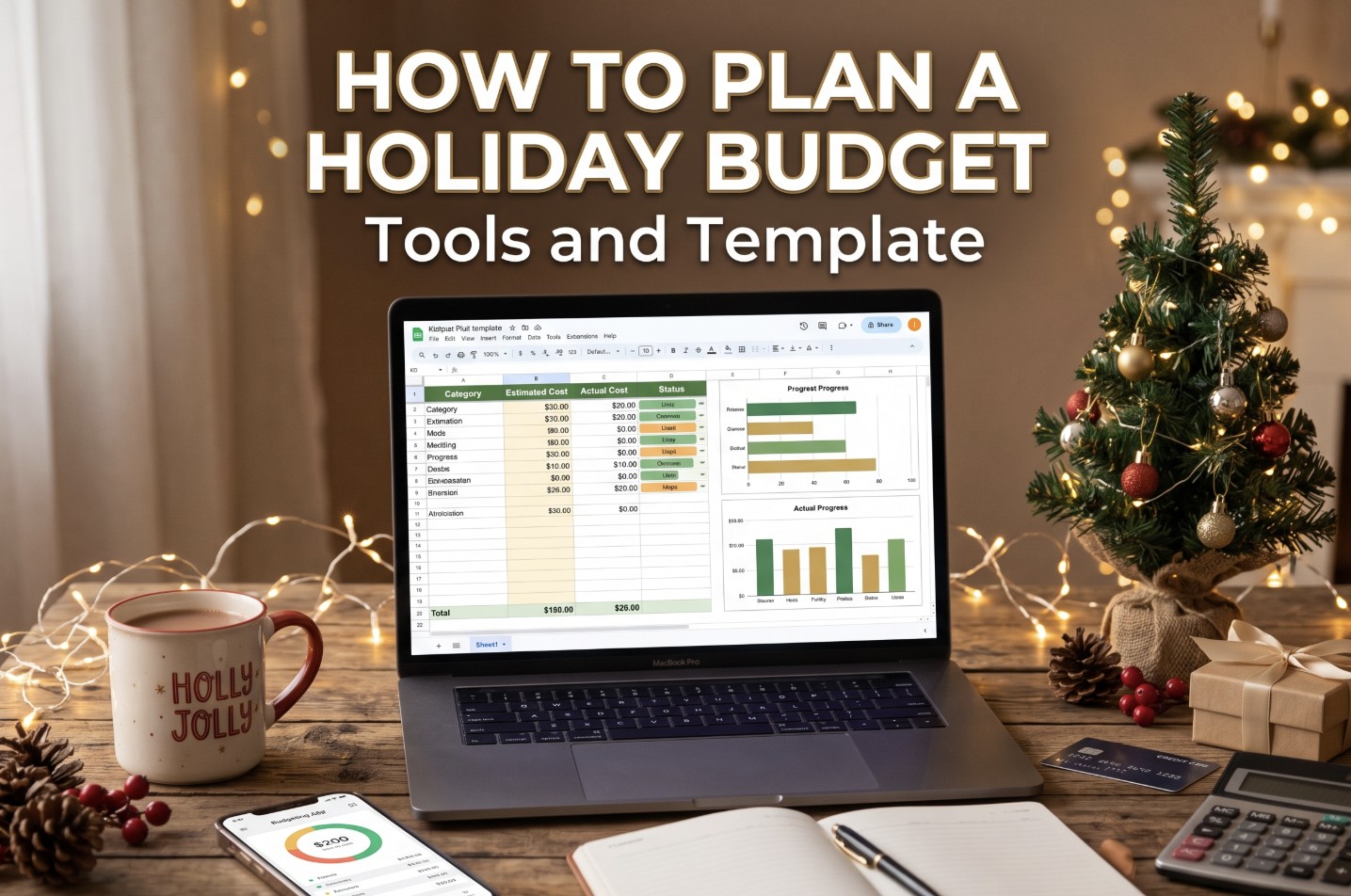
You do not need a specialist app to make a strong holiday budget. A spreadsheet works well because it can show estimated costs, amounts already paid and remaining balances in one place. Google Sheets, Microsoft Excel, Apple Numbers or a basic paper notebook can all work. The best system is the one you will update consistently.
Create four columns: category, estimated cost, actual cost and notes. In the notes column, add payment deadlines, cancellation terms, booking references or whether a cost is shared. For bookings in another currency, record both the original currency and the sterling amount charged to your card, if known.
| Budget category | Include in your estimate | Useful note to record |
|---|---|---|
| Transport | Flights, rail, coach, fuel, parking, baggage and airport transfers | Departure times, baggage rules and payment status |
| Accommodation | Room rate, taxes, deposits and resort or visitor charges where applicable | Check-in details and cancellation terms |
| Food and drink | Meals, snacks, drinks and any board-basis exclusions | Whether breakfast or other meals are included |
| Local travel | Public transport, taxis, car hire, fuel, tolls and parking | Likely daily journeys and late-night transport |
| Activities | Attractions, tours, equipment hire and reservations | What is prepaid and what can be booked later |
| Travel essentials | Insurance, visas, vaccinations, data, medication and luggage | Policy details and any required documents |
| Contingency | Unexpected costs and emergencies | Keep this separate from shopping money |
Research Real Costs for Your Dates
Use current supplier prices rather than relying on old blog posts or social media videos. Search flights for your actual departure airport, dates and baggage requirements. Check hotels using the precise room type and occupancy you need. If you are travelling as a family or group, confirm whether the displayed price is per person, per night, per room or based on two adults sharing.
When comparing accommodation, include the practical costs around it. A cheaper hotel far from the centre may require expensive daily taxis. A room with a kitchen may reduce meal costs, while breakfast included can simplify mornings. An all-inclusive resort may suit a traveller who will remain on site, but it may be poor value for someone planning to eat out and explore every day.
For activities, check the official attraction website before adding a cost to your budget. Official sites are the best place to confirm opening days, booking requirements, age restrictions, accessibility information and current ticket terms. If the price cannot be confirmed, list the activity as “to be researched” rather than treating an old estimate as fixed.

Plan Daily Spending Money
After booking the major items, calculate how much remains for each day of the trip. Divide your available on-trip fund by the number of full days, but do not assume you will spend exactly the same amount daily. Arrival and departure days may be cheaper, while a day with a major attraction, special meal or long journey may cost more.
A practical approach is to assign a daily amount for food, drinks and local transport, then create separate lines for planned activities and shopping. This prevents a costly tour or souvenir purchase from quietly consuming money intended for meals. If you are travelling with friends, agree in advance how shared costs such as taxis, groceries, car hire and accommodation deposits will be split.
Track actual spending once you are away. Update your spreadsheet each evening, or keep receipts and add them every few days. The purpose is not to make your holiday feel like accounting. It is to spot early if you are spending faster than planned, so you can choose a lower-cost meal, free activity or public transport option later in the trip.
Travel Money and Currency Conversion
When travelling abroad, budget for the cost of paying in a foreign currency as well as the price of the purchase itself. Your bank or card provider may charge a foreign transaction fee, a cash-withdrawal fee, or both. Read your card terms before travel and check whether the destination commonly accepts cards, cash or a mixture of payment methods.
Use a reputable currency converter to understand the approximate value of your spending in pounds, but remember that the rate you see online may not be the exact rate applied by your card provider or cash-exchange service. Exchange rates move, and providers can add fees or a margin. Record a sensible allowance in your budget rather than relying on a single rate from the day you first researched the trip.
When a card terminal or cash machine offers to charge you in pounds instead of the local currency, compare the options carefully. This is often called dynamic currency conversion. Your own card provider’s exchange rate may be preferable, but fees and card terms vary, so check your provider’s guidance before you travel.

Use More Than One Payment Method
Do not depend on one card, one phone or one source of cash. A card may be lost, blocked for security reasons, damaged or not accepted by a particular business. Take a backup payment method and a modest amount of local currency if it is useful for your destination. Keep money and cards securely in more than one place, rather than carrying all of them together.
Before leaving, save the contact details you need to freeze or report a lost card. Ensure you can complete any banking security checks while abroad, particularly if they rely on a phone number, app or two-factor authentication. The UK government advises travellers to have enough money for unexpected costs and to consider more than one means of payment. For current destination-specific requirements and safety advice, check the FCDO foreign travel advice before you go.
Do Not Forget Travel Insurance
Travel insurance is an essential budget line, not an optional extra. Arrange appropriate cover as soon as you book, especially where cancellation costs could be significant. Read the policy documents and ensure the cover is suitable for your destination, trip length, planned activities and personal circumstances. Declare medical conditions accurately and check the excess, cancellation cover and any exclusions.
A GHIC or valid EHIC may be useful for some healthcare needs in the EU and Switzerland, but it is not a replacement for travel insurance and does not cover every cost. Keep insurance documents and emergency contact details accessible offline as well as on your phone.
Ways to Reduce Holiday Costs Without Spoiling the Trip
- Travel on dates that are flexible where possible, then compare a few departure days before booking.
- Compare the total cost of different airports, including rail fares, fuel, parking, airport hotels and baggage rules.
- Choose accommodation based on location and transport costs, not room price alone.
- Pre-book only the activities that need a reservation; leave space for free walks, parks, beaches, markets and neighbourhood exploration.
- Use a supermarket, bakery or local café for some meals if your itinerary includes expensive attractions or restaurant experiences.
- Set a separate shopping allowance so souvenirs do not reduce the money available for essential costs.
- Review your budget before paying each large balance, not only when you first make a reservation.
Final Holiday Budget Checklist
- Set a total trip limit and a separate contingency fund.
- List every pre-departure and on-trip cost in one place.
- Use live quotes for your dates, not old price guides.
- Check baggage, transfers, taxes, deposits and payment deadlines.
- Check card charges, currency conversion and cash-access options.
- Arrange appropriate travel insurance and save the policy details.
- Track spending while away and adjust early if necessary.
Frequently Asked Questions
- What should be included in a holiday budget? Include transport, accommodation, food, local travel, activities, travel insurance, travel money costs, shopping and a contingency fund for unexpected expenses.
- How much emergency money should I take on holiday? The right amount depends on your destination, travel style, insurance cover and access to payment methods. Keep a separate contingency fund rather than using money allocated for food or planned activities.
- Should I pay in pounds or local currency abroad? Check your card provider’s foreign-currency fees before travelling. When a terminal offers pounds or local currency, consider the exchange rate and any fees before choosing.
- Is a spreadsheet good enough for travel budgeting? Yes. A simple spreadsheet with estimated costs, actual costs, payment status and notes is often more useful than a specialist app because you can tailor it to your own trip.