

7‑Day Japan Itinerary: Tokyo, Kyoto & Osaka Route
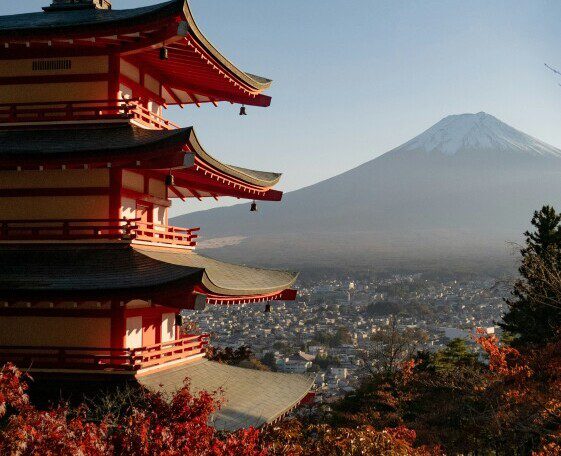
If you have seven days in Japan (日本) and it’s your first visit, the most efficient route is the classic “golden route” linking Tokyo (東京), Kyoto (京都) and Osaka (大阪). This itinerary lets you experience modern city life, historic temples and vibrant food culture without wasting time zig‑zagging across the country.
Travel operators and local guides frequently recommend variations of this route for first‑time visitors because the cities are well connected by Shinkansen (新幹線) and regional trains, and each offers a distinct flavour of Japanese life.
7‑Day Japan Itinerary Overview
Here’s the overview before we dive into each day:
| Day | Base City | Main Focus |
|---|---|---|
| 1 | Tokyo (東京) | Arrival, Shinjuku (新宿) & first impressions |
| 2 | Tokyo | Asakusa (浅草), Tokyo Skytree, Shibuya (渋谷) |
| 3 | Tokyo | Harajuku (原宿), Meiji Shrine (明治神宮), free evening |
| 4 | Kyoto (京都) | Travel to Kyoto, Gion (祇園) & Higashiyama (東山) |
| 5 | Kyoto | Fushimi Inari (伏見稲荷大社), Arashiyama (嵐山) |
| 6 | Osaka (大阪) | Osaka Castle (大阪城), Dotonbori (道頓堀) |
| 7 | Osaka/Tokyo | Nara (奈良) day trip or Tokyo return & departure |
Day 1: Arrival in Tokyo & Shinjuku
Most international flights land in either Haneda Airport (羽田空港) or Narita Airport (成田空港). On arrival, focus on getting into the city, checking into your hotel and having a low‑pressure first evening.
- Travel into the city using airport rail or limousine buses.
- Base yourself near Shinjuku (新宿), Shibuya (渋谷) or Tokyo Station (東京駅) depending on your onward plans.
- Spend the evening wandering Shinjuku: Omoide Yokochō (思い出横丁), kabukichō side streets, and the Tokyo Metropolitan Government Building observation deck (東京都庁).
Keeping day one light allows time for jet lag and reduces the risk of feeling overwhelmed.
Day 2: Asakusa, Tokyo Skytree & Shibuya
Day two introduces both historic Tokyo and its futuristic skyline.
Morning in Asakusa (浅草):
- Visit Sensō‑ji (浅草寺), Tokyo’s oldest temple.
- Stroll Nakamise-dori (仲見世通り) for snacks and souvenirs.
Afternoon near Tokyo Skytree (東京スカイツリー):
- Head across the river to Tokyo Skytree for city views.
- Explore the Solamachi shopping complex beneath the tower.
Evening in Shibuya (渋谷):
- Experience Shibuya Crossing and surrounding streets.
- Eat in a local izakaya (居酒屋) or ramen shop nearby.
This mix gives you old streets, modern cityscapes and a lively evening district in one day.
Day 3: Harajuku, Meiji Shrine & Free Evening
Day three balances nature, culture and youth fashion.
Morning:
- Stroll through Meiji Shrine (明治神宮) and Yoyogi Park (代々木公園), an oasis of greenery.japantravel.
Afternoon:
- Explore Harajuku (原宿), Takeshita-dori (竹下通り) and Omotesandō (表参道) for fashion, cafés and people‑watching.
Evening:
- Keep the evening free for either a return to Shibuya, an early night or a hidden gem suggested by your accommodation.
Building a lighter day before your Shinkansen transfer helps avoid exhaustion.
Day 4: Tokyo to Kyoto, Gion & Higashiyama
Use the morning to check out and ride the Shinkansen from Tokyo to Kyoto.
- Journey time is around 2 hours 20 minutes from Tokyo Station (東京駅) to Kyoto Station (京都駅) on a Nozomi service.
- Luggage forwarding (takkyūbin, 宅急便) can send large bags ahead to your Kyoto hotel, simplifying travel.
Afternoon:
- Check in, then head to Higashiyama (東山) to walk between Kiyomizu‑dera (清水寺), Ninenzaka (二年坂) and Sannenzaka (三年坂).
Evening:
- Stroll Gion (祇園), keeping in mind that many streets are residential; be respectful of local rules and avoid intrusive photography of geiko and maiko.
Day 5: Fushimi Inari & Arashiyama
Day five covers two of Kyoto’s headline sites.
Morning at Fushimi Inari Taisha (伏見稲荷大社):
- Walk through the famous torii gate (鳥居) tunnels; arrive early to avoid mid‑day crowds.
Afternoon in Arashiyama (嵐山):
- Visit Arashiyama Bamboo Grove (竹林の小径).
- Explore Tenryū‑ji (天龍寺) and its gardens.
- Walk along the Katsura River (桂川) and Togetsukyō Bridge (渡月橋).
Evening:
- Return to central Kyoto for dinner around Kawaramachi (河原町) or Pontocho (先斗町).
Day 6: Kyoto to Osaka, Castle & Dotonbori
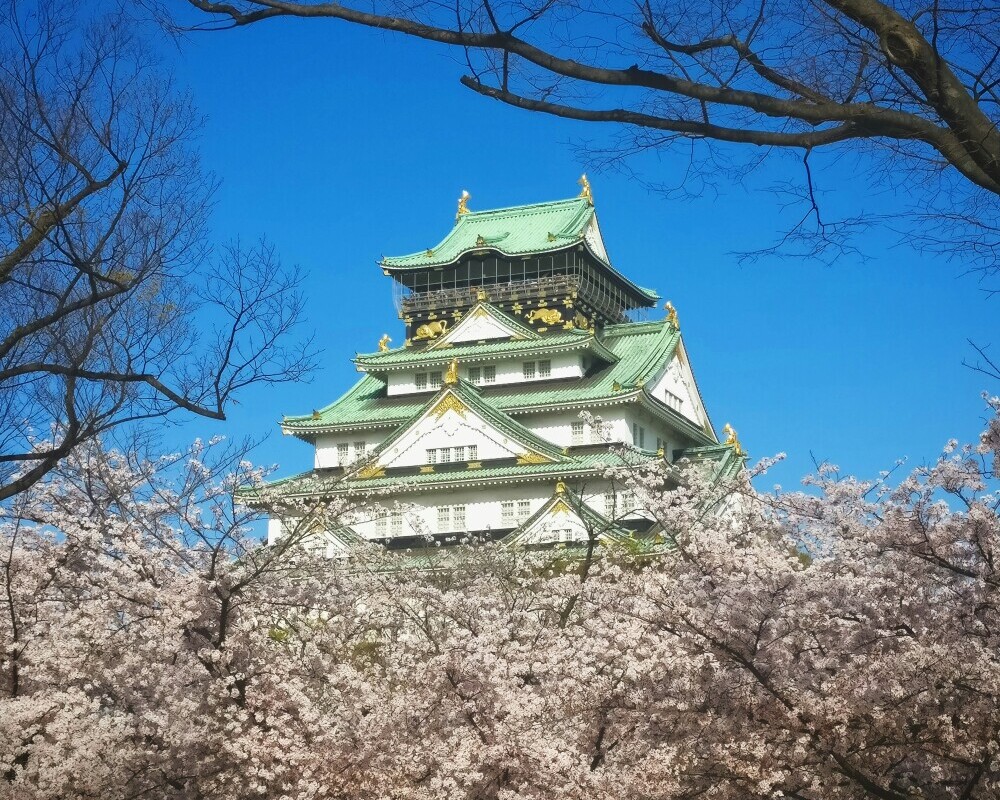
Transfer to Osaka (大阪), which is roughly 15 minutes away by Shinkansen or around 30 minutes by regular train.
Morning:
- Visit Osaka Castle (大阪城) and its surrounding park.japantravel.
Afternoon:
- Explore Shinsaibashi (心斎橋) for shopping.
Evening:
- Head to Dotonbori (道頓堀) for neon lights and street food; Osaka is famous for dishes such as okonomiyaki (お好み焼き) and takoyaki (たこ焼き).
Day 7: Nara Day Trip or Tokyo Return
You now have two options:
- Day trip to Nara (奈良) from Osaka or Kyoto:
- Visit Tōdai‑ji (東大寺), Nara Park (奈良公園) and Kasuga Taisha (春日大社).
- Return to Tokyo for a last night of shopping and departure:
- Take Shinkansen back to Tokyo and stay near Tokyo Station or Shinjuku for easy airport access.
Either option rounds off your week with traditional charm or a practical city base before flying home.
Budget Breakdown for a 7‑Day Japan Trip
Approximate per‑person budget (excluding flights) for a mid‑range traveller:
| Category | Approx Cost (7 days) |
|---|---|
| Inter‑city transport (Shinkansen) | ¥30,000–¥40,000 |
| Accommodation | ¥7,000–¥12,000 per night |
| Food | ¥3,000–¥5,000 per day |
| Activities & entry fees | ¥1,500–¥3,000 per day |
Frequently Asked Questions
- Is 7 days enough for Japan?
Seven days is enough for a focused golden‑route trip covering Tokyo, Kyoto and Osaka, but not enough for extended regional travel.japantravel. - Should I buy a JR Pass for this itinerary?
For a single Tokyo–Kyoto–Osaka loop, point‑to‑point Shinkansen tickets can be more cost‑effective than a full JR Pass; always check current prices and pass rules. - Can I add Hiroshima (広島) to a 7‑day trip?
It’s possible but will compress your days significantly; Hiroshima is better added to a 10‑day itinerary. - Is this route suitable for families?
Yes, with careful pacing; children typically enjoy the variety of Tokyo, Kyoto temples and Osaka’s food scene, as long as days are not over‑packed.